








Why you can trust TechRadar
We spend hours testing every product or service we review, so you can be sure you’re buying the best. Find out more about how we test.
Ulefone RugKing: 30-second review
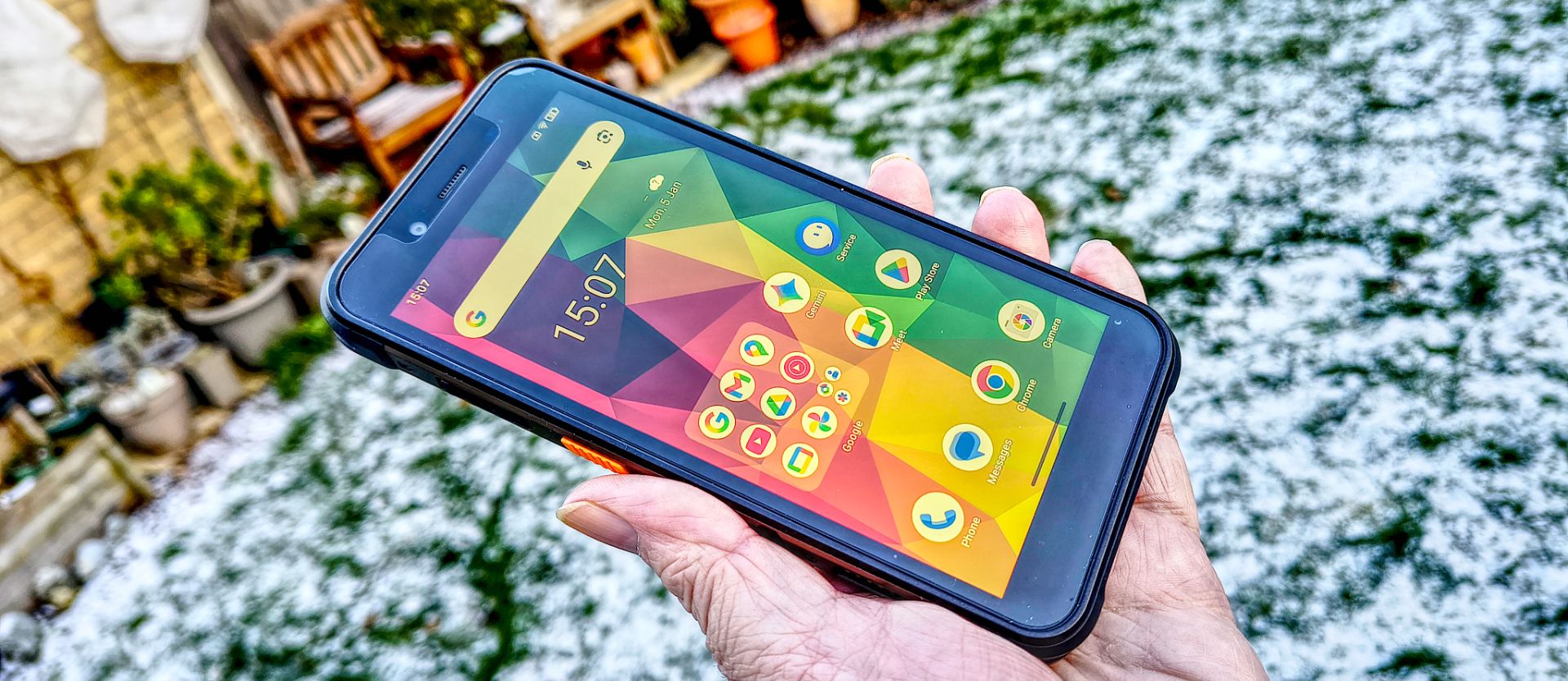
The Ulefone RugKing is a basic rugged smartphone designed for users who need durability and reliability in challenging environments. It features reinforced construction, water- and dust-resistance, and a 9600 mAh battery, making it suitable for outdoor activities, construction work, or anyone prone to dropping their device.
The weakness of this design is that it uses an infamously low-performance SoC, the Unisoc T7255, which I believe is unique to this phone. It’s based on the Unsoc T616, used in Itel, Lava, Realme, and Infinix brands for emerging markets. But the T7255 does have a Mali-G57 GPU, which provides the full feature set for OpenGL and Vulkan rendering.
Another decent feature is that the 5.99-inch IPS display can deliver up to 910 nits of brightness, making it relatively easy to see outdoors.
The primary camera is the old, but solid Samsung JN1, and it even includes a 2MP macro sensor. There is also a uSmart connection enabling the attachment of endoscope cameras or microscopes.
Where it’s less than ideal is that the battery can only be charged via USB or an optional dock, and the maximum charging rate is 18W wired and only 10W via the dock. That means it takes nearly three hours to charge using USB fully, and twice that on the dock.
The other caveat here is that it only supports 4G, not 5G, if you have access to that technology.
The equation here is that this is a sub-$200 phone that can take reasonable pictures, plays loud music via a 126dB speaker on the back, while shrugging off water and dust, running Android 15.
It has a number of performance limitations, but unless you specifically need a gaming phone or want to take better photos, then for many customers, the Rugking works well enough to be an affordable option.
The fact that no other phone makers have joined Ulefone in using the Unisoc T7255 is a little telling, but it’s difficult to argue that there are no good features here.
Based purely on performance, it won’t make our best rugged phone round-up, even if it does deserve some accolade for being extremely good value.

Ulefone RugKing: price and availability
- How much does it cost? $220/£164/€240
- When is it out? Available now
- Where can you get it? You can get it directly from Ulefone or via many online retailers such as Amazon.
Buying directly from the Ulefone shop, the RugKing is $219.99 in the US, €238.70 in the EU and £163.33, making it one of the cheapest rugged phones available.
However, if you order it via Amazon, it is even cheaper. On Amazon.com, the phone on its own (US Version) is $162 (discounted from $190 at time of review), and you can get it with the desk charging dock for $209.99 and the enhanced protection case for $199.99. The UK cost via Amazon.co.uk is only £135.99, shockingly.
The only advantage of ordering directly is that Ulefone have a much greater selection of accessories that include the Armor Molle Holster, the Mount Pro, Mount Next-Gen, three endoscope cameras and a microscope.
While for this review Ulefone didn’t supply any of these accessories, this brand typically does a good job with them in my experience, and the price is often modest.
The primary competitors for the RugKing are the Ulefone’s own Armor 21 and 22, the Blackview ROCK 1 and the Doogee S118. These are all around a similar price point, so it might be worth checking those out to see if they have a specific feature you might want.
Given this device’s capabilities, the price of the RugKing is aggressive, though some other phones offer more battery capacity, better cameras, and more powerful processors. Your final choice might come down to a single factor, such as availability in your location.

Ulefone RugKing: Specs
|
Item |
Spec |
|---|---|
|
CPU: |
Unisoc T7255 |
|
GPU: |
Arm Mali-G57 |
|
NPU: |
N/A |
|
RAM: |
8GB |
|
Storage: |
256GB |
|
Screen: |
5.99-inch IPS Screen |
|
Resolution: |
720 x 1440 HD+ 910nits |
|
SIM: |
2x Nano SIM + TF + eSIM (all can be used) |
|
Weight: |
395 grams |
|
Dimensions: |
173.4 x 83.3 x 18.3 mm |
|
Rugged Spec: |
IP68 IP69K dust/water resistant (up to 2m for 30 minutes), MIL-STD-810H Certification |
|
Rear cameras: |
50MP Camera + 2MP macro |
|
Front camera: |
8MP Samsung |
|
Networking: |
4G bands, WiFi 5, Bluetooth 5.0 |
|
Audio: |
36mm 126dB speaker, 3.5mm audio jack |
|
OS: |
Android 15 |
|
Battery: |
9600 mAh (Max 18W wired, 10W on dock, 5W reverse charge) |
|
Colours: |
Black |
Ulefone RugKing: design
- Slightly heavy
- Speaker dominates design
- uSmart and dock pins
The RugKing was slightly heavier than I’d anticipated when I first picked it up, since most phones with roughly 10000 mAh batteries are usually about 350-360g, and this one is close to 400g.
It’s not excessively weighty, but equally it’s heavier than a standard phone, and on the cusp between the more practical rugged designs and the ones that double as boat anchors.
Ulefone likes a particular style that uses metal banding on the sides and rubberised corners, and the RugKing doesn’t break those norms. Equally, the placement of buttons is standard with the power/fingerprint reader and volume rocker on the right, and the user-customisable button and SIM card on the left. The only variation is that the left side also has the uSmart connector, a feature I like the idea of, but have never loved the implementation of, which requires removing screws to use.
Better considered is the SIM card tray that takes two NANO SIMs and a MicroSD card, and you can thankfully use all three.
Where the RugKing starts to go slightly off the familiar trail is the display, which seems way too small for this phone’s chassis. It looks like this originally was designed for a 6.5-inch panel, and then it ended up with a 5.99-inch one that left borders around all sides, with over a 10mm top and bottom. It looks strange, and breaks with the standard zero borders look that most phone makers go.
Another oddity is that the USB port is covered by a huge rubber cover because Ulefone decided to put the 3.5mm headphone jack underneath, along with the USB. The phone documentation makes it clear that you should never try to charge the phone when it’s wet.
Those web pages also mention that liquid damage invalidates the warranty, before hilariously talking about the underwater photography mode. Clearly, this phone is waterproof, but only under limited circumstances where you don’t accidentally invalidate your warranty, possibly by exceeding the 2M depth while trying to capture images underwater.
I’ve reviewed waterproof phones that don’t need rubber bungs to stay dry, and it’s about time some Chinese rugged phone makers tried to emulate them.

Other external features of note are the flashlight on the top edge and the pogo pin positions on the bottom rear. The pogo pin pads work with a separately sold desktop dock, but these don’t offer the same power throughput as the USB port.
Even though the lower rear of the phone is flat, Ulefone didn’t include wireless charging, likely due to cost.
But the one feature that dominates everything on the back of the RugKing is the massive 36mm speaker that Ulefone claims can generate 126dB of sound. The website even calls it the “loudest rugged monster”.
I hope that number is an exaggeration, because the threshold for hearing damage with prolonged exposure is 85dB, and if you don’t use earplugs to protect your ears, sounds of 110–120dB, even for a very short time, can cause permanent hearing damage.
Along with potentially endangering your hearing, the size of the speaker forces the two rear camera sensors to be widely placed, making it impossible for them to combine their efforts.
Overall, the phone’s design isn’t anything special, with many aspects dictated by the need to keep component costs down. How you feel about the speaker will probably be impacted by the last time someone thought their musical taste was so good that it should be widely shared, and how much you hated that.

Design score: 3/5
Ulefone RugKing: hardware
- Unisoc T7255 SoC
- 8GB of RAM and 256GB of storage
- A slow charging battery
Technically, the Unisoc T7255 is the combination of the UMS9230T CPU, ARM Mali-G57 GPU and the various parts that deal with 4G mobile comms, USB, Wi-Fi and Bluetooth.
It’s an octo-core design with two Cortex-A75 performance cores and six A55 efficiency cores that’s built on an ancient 12nm fabrication process.
Most phones use 6nm or 4nm chips these days, but this is a rebranded Unisoc T616, a chip that first appeared in early 2021. Designed to compete with the Qualcomm Snapdragon 4XX series, this SoC was intended for entry-level phones five years ago.
Therefore, you won’t be hugely surprised to find out that it only supports 4G comms, Wi-Fi 5 and the Bluetooth 5.0 feature set, and it was made to support a display with a maximum resolution of only 1080p. On this phone, that’s not a limitation, because the display is lower resolution than 1080p.
Using LPDDR4X 1866MHz RAM, the RugKing has 8GB of RAM that can be expanded to 16GB by mapping some of the 256GB of the included storage. Not sure that’s a great idea with the mediocre performance of this device, but it’s an option.
I’ve seen it claimed on Amazon that this phone has 16GB of RAM; it doesn’t, and that’s an oversell.
It’s accurate to say that this phone has a 9600 mAh battery. While that’s a decent amount, that capacity is sorely tempered by the 12nm SoC and charging electronics that limit its charging speed 18W. If you use the dock, that level is reduced to 10W, and that’s slower than wireless charging can typically offer.

In my performance testing, the first 30 minutes of charging from a fully depleted battery took the percentage from zero to only 22%. If the battery charged uniformly, and surprise, they don’t, that’s two and a half hours to fully charge.
In my testing, it took over three hours to reach 100% capacity, hinting that if you use the dock, it might take 6 hours to hit full capacity.
As an example of a phone that could charge a similarly sized battery faster, the Phonemax M10 wasn’t especially impressive, but it could put back 30% in 30 minutes of its 10000 mAh battery. I’ve no idea why this is so slow, but it is.
As an aside to the battery being slow to recharge, the RugKing can reverse charge, but only at 5W. Therefore, if you tried to reverse charge one RugKing with another RugKing, it might take 12 hours, or it would if the first phone didn’t run out of power before fully recharging its brother.
Whatever the correct logistical outcome, 5W isn’t enough power to justify using this feature for phones.
Ulefone RugKing: cameras
- 50MP, 2MP on the rear
- 8MP on the front
- Three cameras in total

The Rugking has three cameras:
Rear camera: 50MP Samsung JN1 CMOS Sensor, 2 MP Omnivision OV02A10 Macro
Front camera: 8MP Samsung 4H8
In its day, the Samsung JN1 was a fantastic sensor, and so many phones used it accordingly. However, that day was in June 2021, and in this timeframe, we’re less impressed with Double Super PDAF for improved low-light performance and fast autofocus.
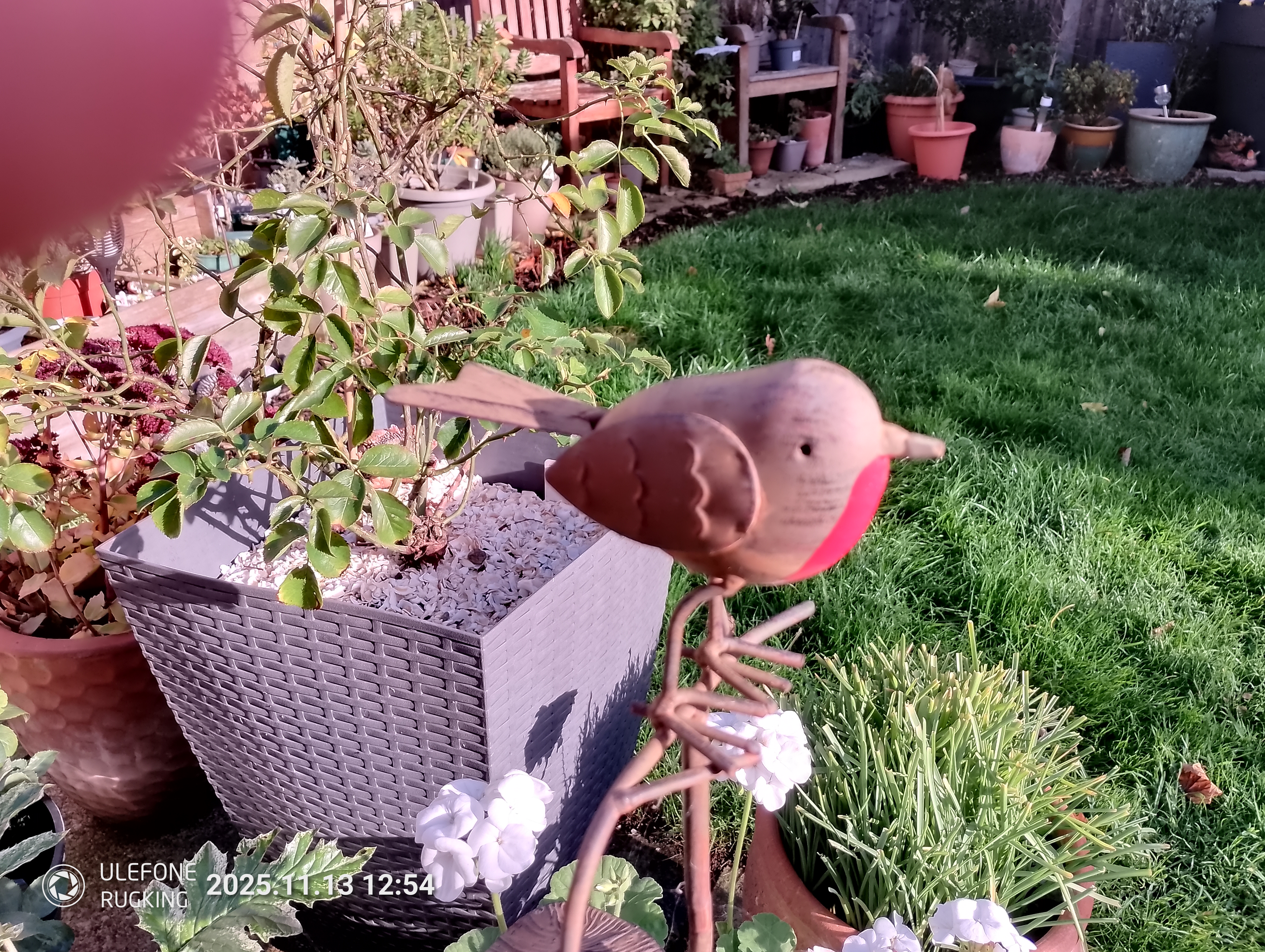
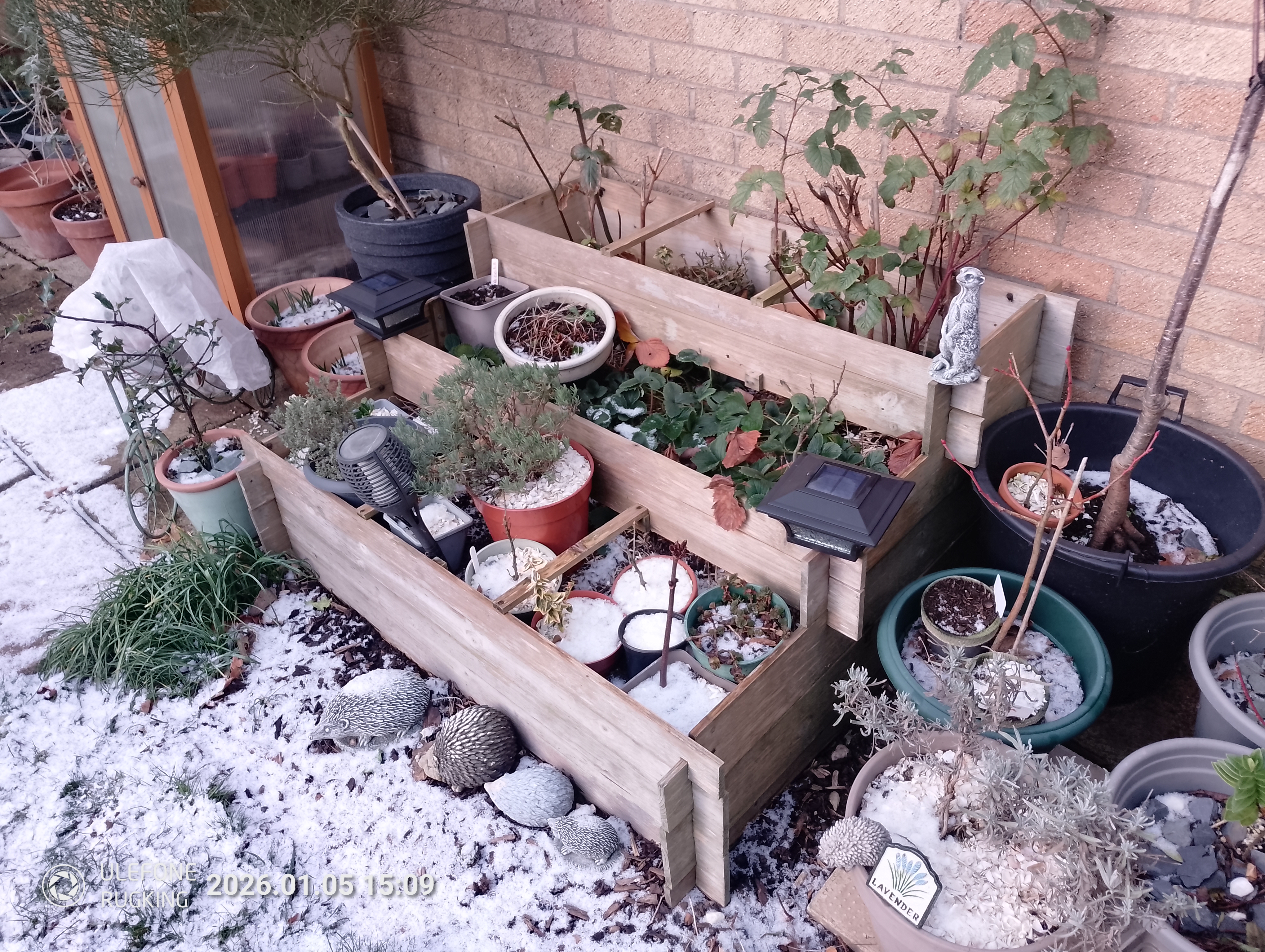
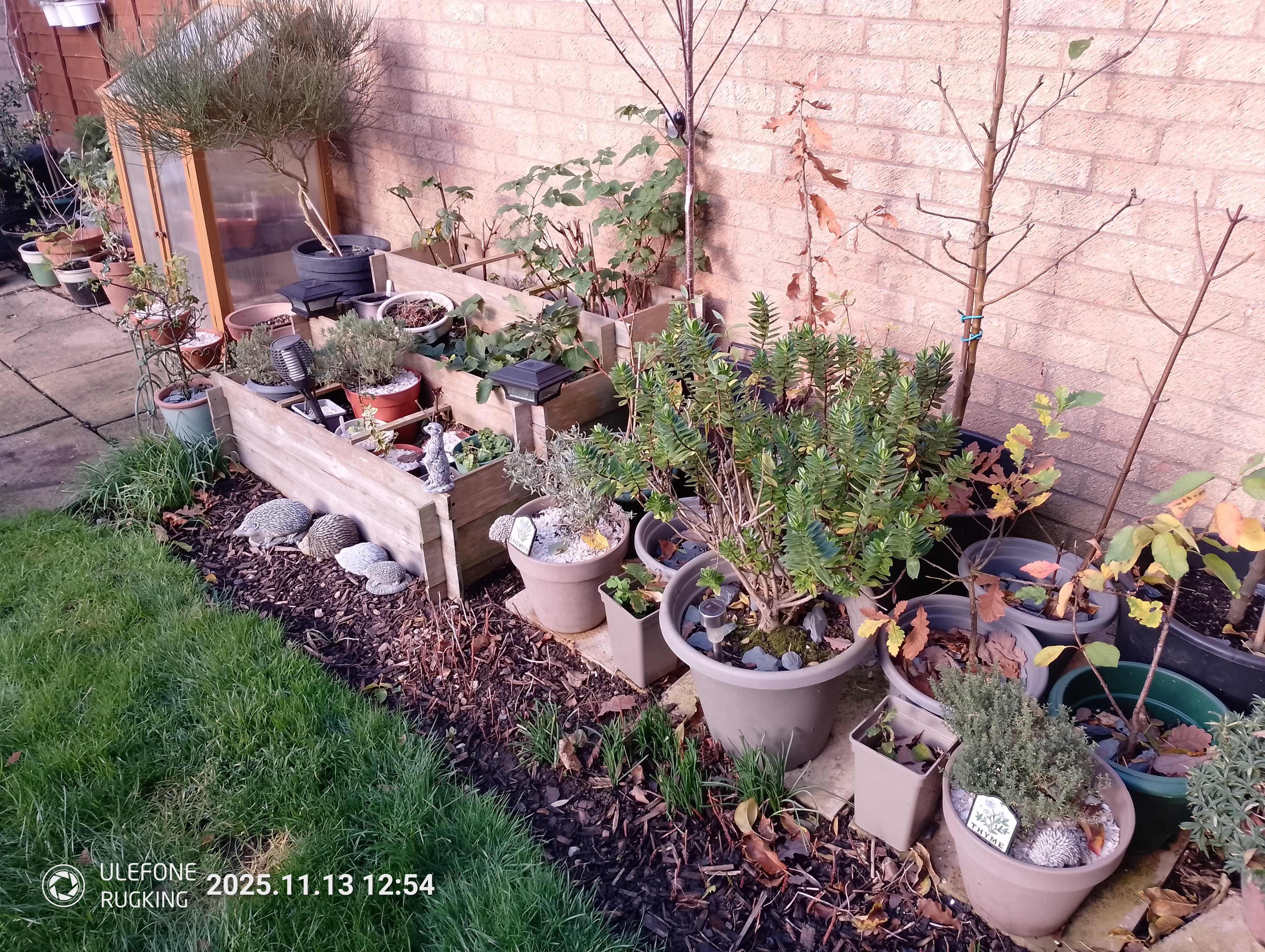
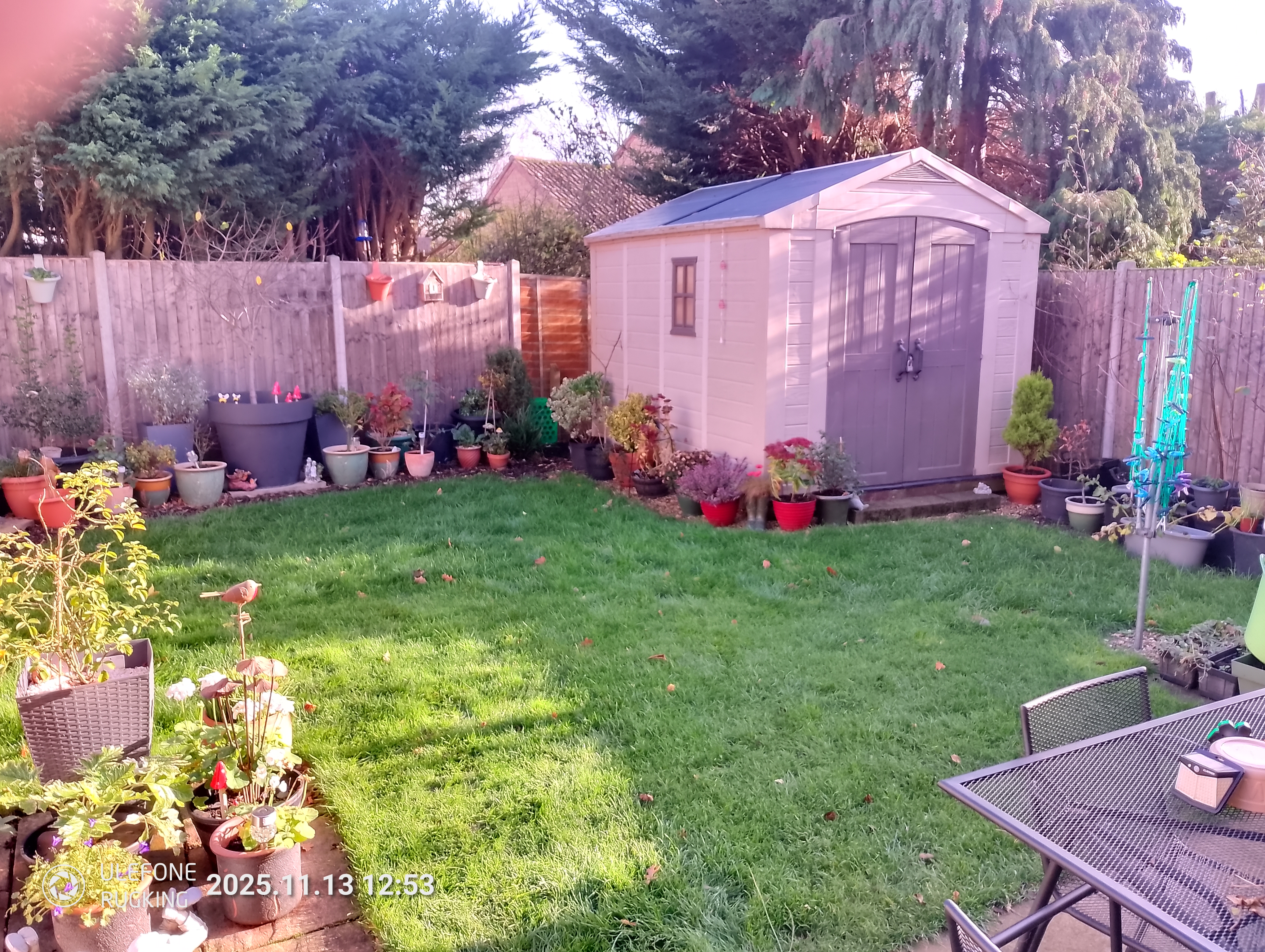
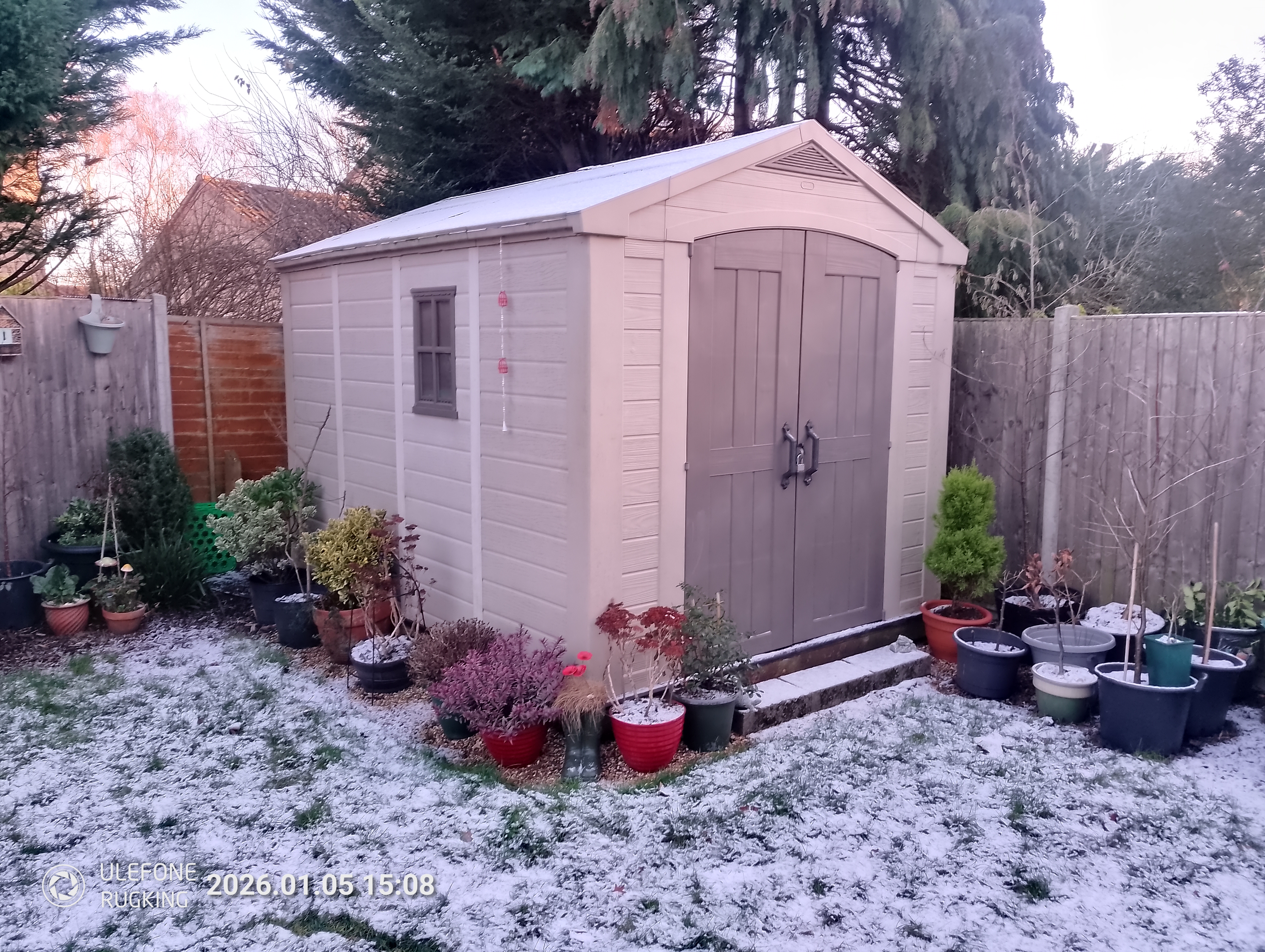
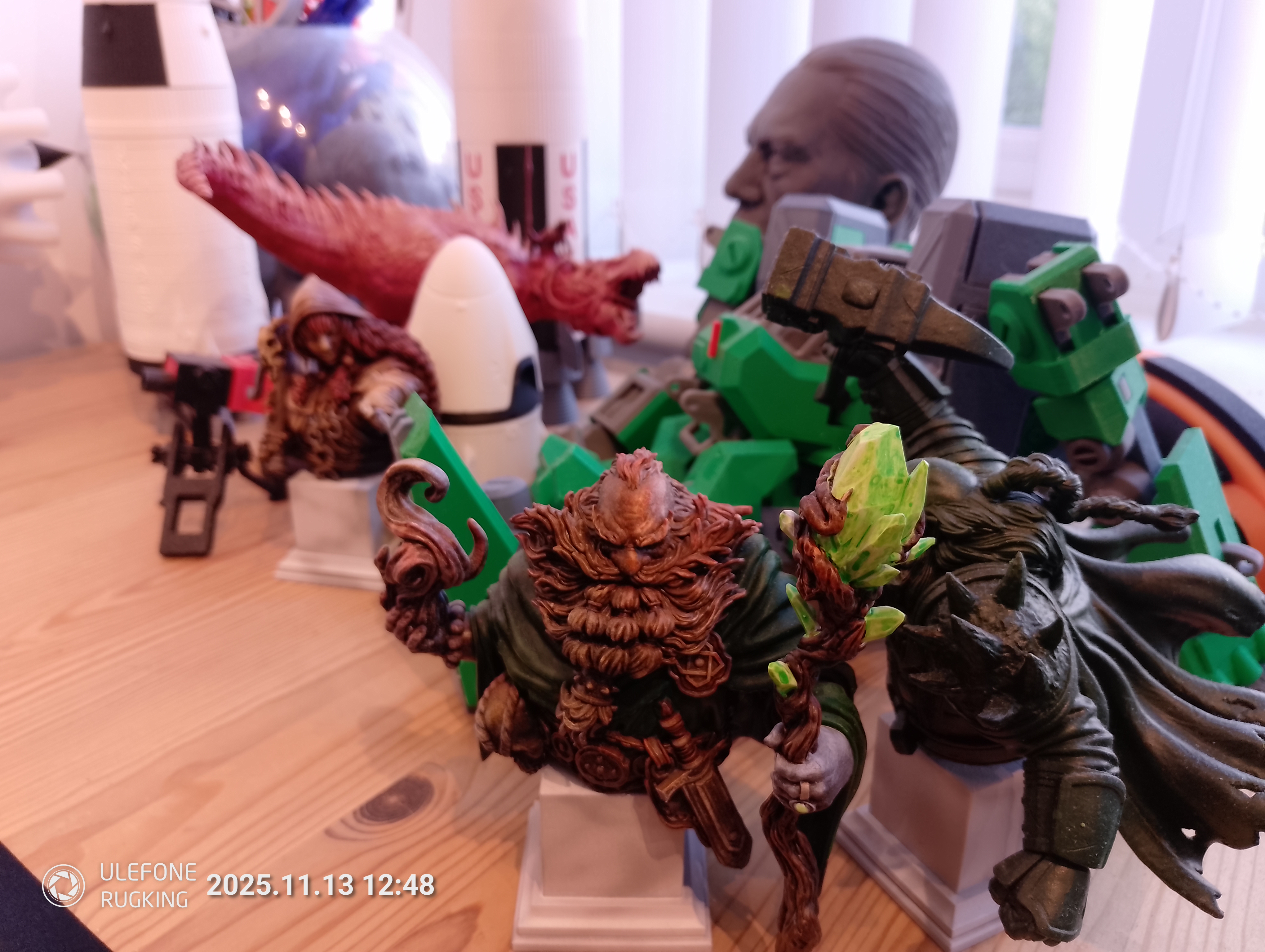
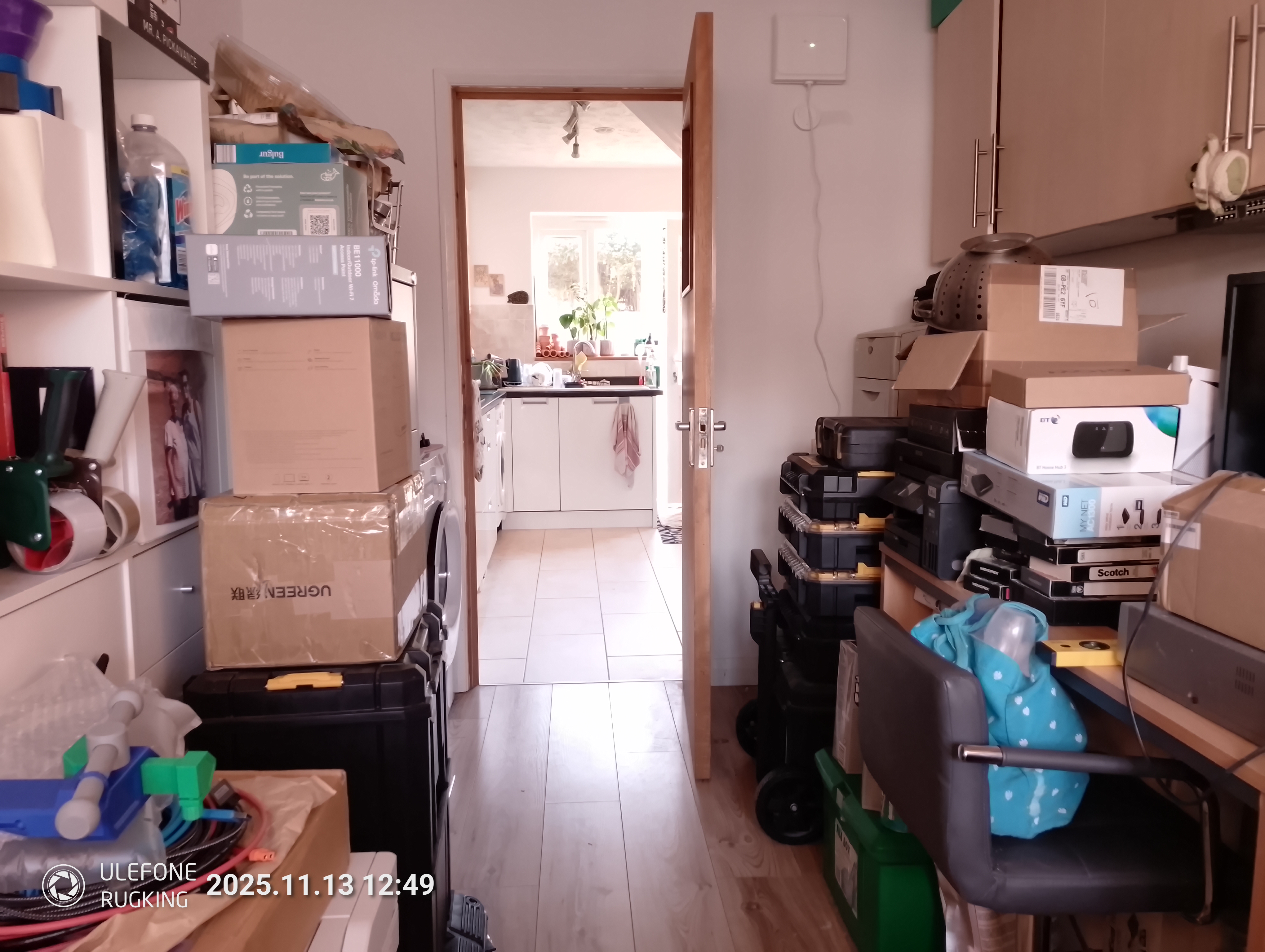
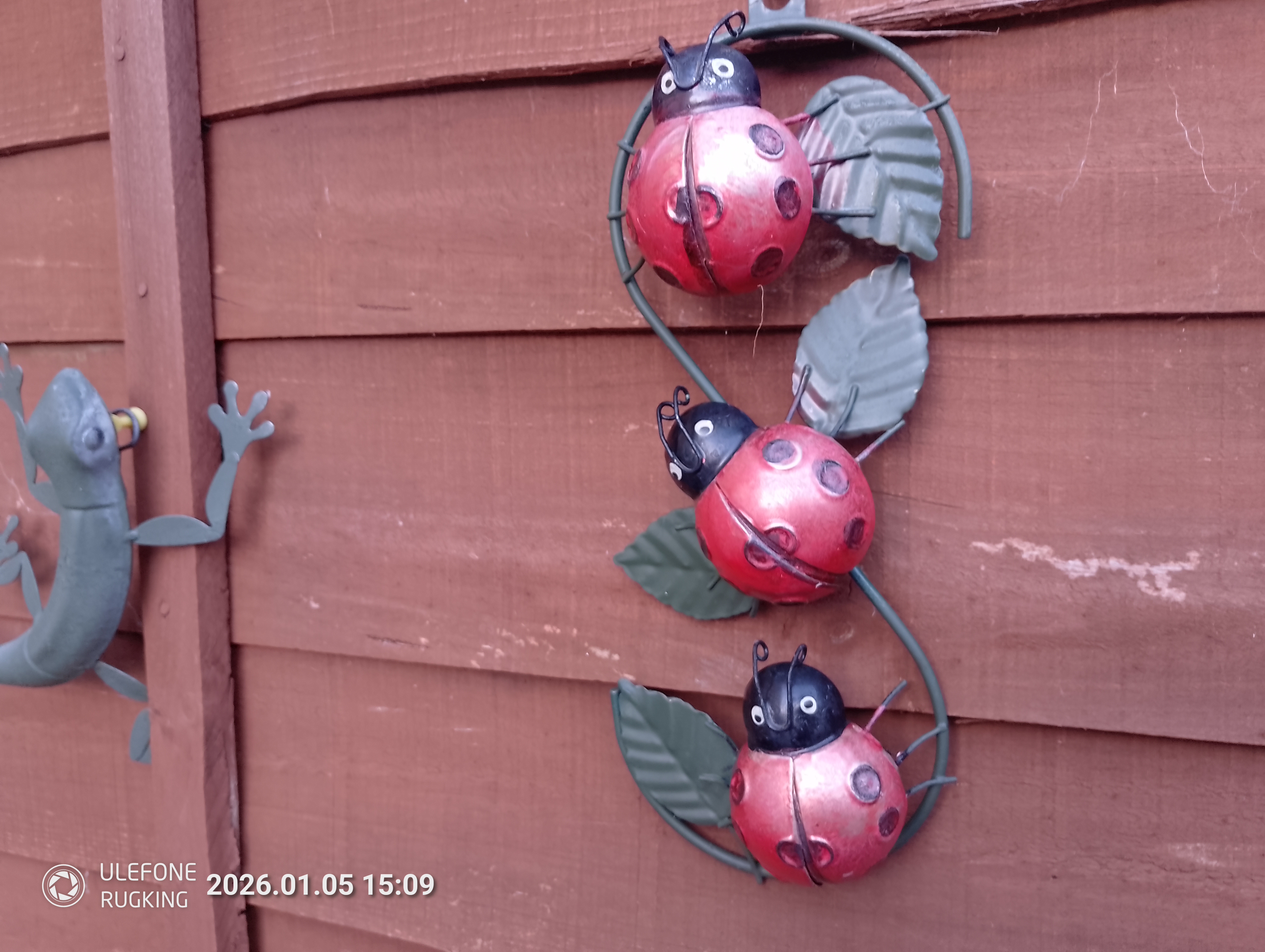
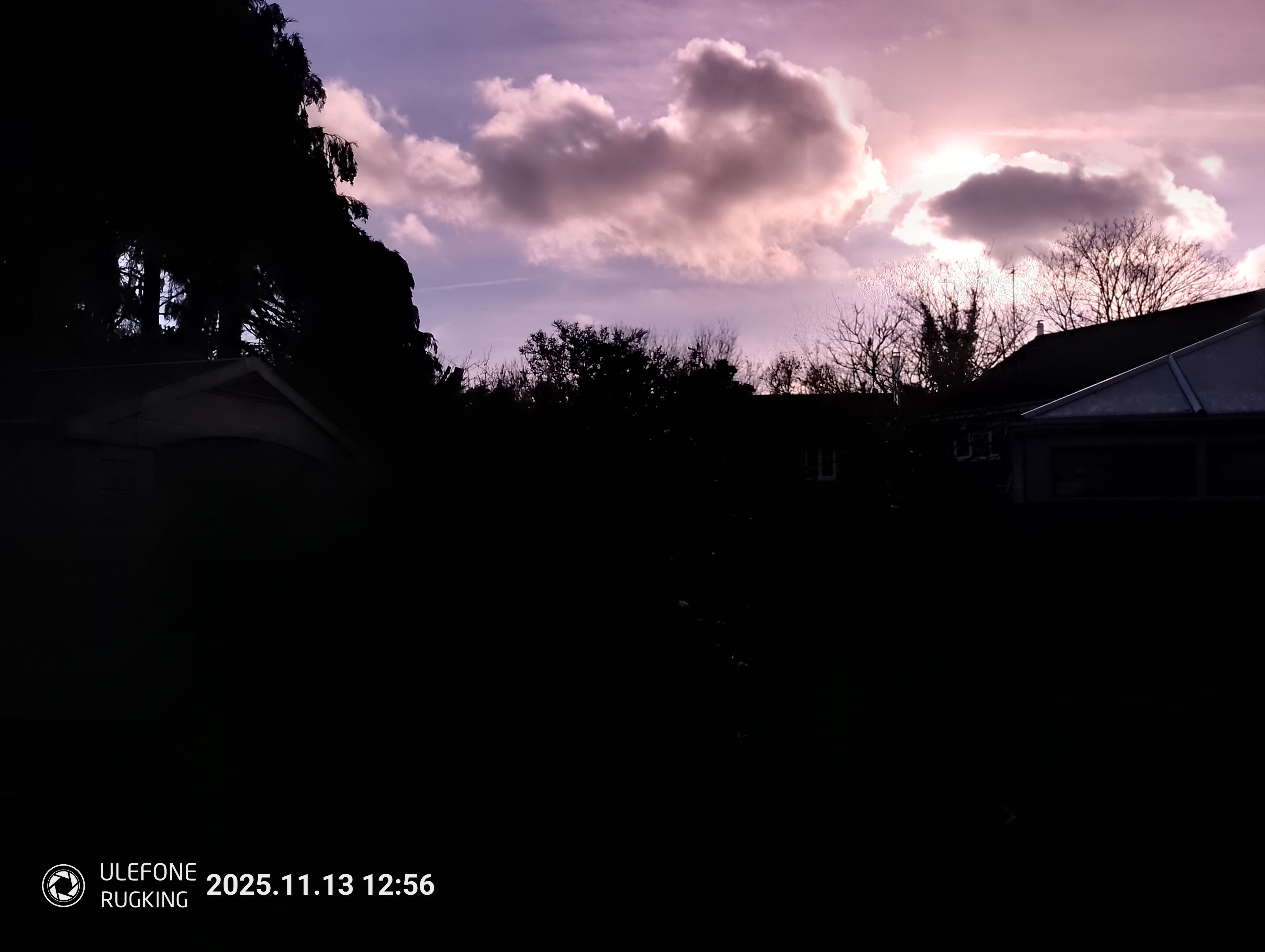
It can take some good pictures, as can be seen by some of the examples I’ve included here.
Depending on the phone’s chipset, the JN1 supports 4K video at 60fps and Full HD at 240fps, but the chip in this phone or the camera’s software has declined those opportunities and the best video on offer here is only 1080p.
I’d mention the 2MP Omnivision OV02A10 Macro, but it delivers exceptionally grainy results, and little that you would want to print or keep.
That phones still come with 8MP sensors was a surprise to this reviewer when I discovered that the selfie camera uses the 8MP Samsung 4H8 sensor. If you thought the JN1 was an old sensor, it’s a spring chicken compared to the technology in the 4H8.
While I couldn’t find an official release date for this sensor, it has a 1.12µm ISOCELL pixel, something Samsung rolled out in 2013 with the S5K4H5YB.
The only other phone that uses this, I believe, is the Blackview A9 Pro, a sub-$100 phone.
What slightly bemuses me about this sensor is that Samsung has any of these lying around to sell to rugged phone makers, since it can’t still be manufactured, surely?
I’m not going to tear strips off Ulefone for the camera sensors in this phone further. The JN1 works for still image work if you are not expecting to compete with more expensive phones, or you need better than 1080p video.
There is no optical zoom, but it does have a Pro mode, and it creates those tedious AI Emojis, if you are not bored with adding cat ears to people.
If you want a rugged phone to take pictures, unless you have an exceptionally limited budget, then this phone isn’t the right choice.

Ulefone RugKing Camera samples
Image 1 of 14





Ulefone RugKing: performance
- Old SoC technology
- GPU supports OpenGL 3.1 and Vulkan 1.3
- Not power efficient
|
Phone |
Header Cell – Column 1 |
Ulefone RugKing |
RugOne Xever 7 Pro |
|---|---|---|---|
|
SoC |
Row 0 – Cell 1 |
Unisoc T7255 |
MediaTek Dimensity 7025 |
|
GPU |
Row 1 – Cell 1 |
Mali-G57 MP1 |
IMG BXM-8-256 |
|
NPU |
Row 2 – Cell 1 |
N/A |
N/A |
|
Memory |
Row 3 – Cell 1 |
8GB/256GB |
12GB/512GB |
|
Weight |
Row 4 – Cell 1 |
397g |
325g |
|
Battery |
Row 5 – Cell 1 |
9600 |
5550 |
|
Geekbench |
Single |
469 |
940 |
| Row 7 – Cell 0 |
Multi |
1581 |
2283 |
| Row 8 – Cell 0 |
OpenCL |
623 |
136 (fail) |
| Row 9 – Cell 0 |
Vulkan |
634 |
133 (fail) |
|
GFX |
Aztec Open Normal |
6.4 |
19 |
| Row 11 – Cell 0 |
Aztec Vulkan Norm. |
5.5 |
18 |
| Row 12 – Cell 0 |
Car Chase |
5.9 |
16 |
| Row 13 – Cell 0 |
Manhattan 3.1 |
9.7 |
33 |
|
PCMark |
3.0 Score |
8810 |
11353 |
| Row 15 – Cell 0 |
Battery |
21h 58m |
17h 53m |
|
Charge 30 |
% |
22 |
33 |
|
Passmark |
Score |
6867 |
10999 |
| Row 18 – Cell 0 |
CPU |
3300 |
5367 |
|
3DMark |
Slingshot OGL |
1697 |
3777 |
| Row 20 – Cell 0 |
Slingshot Ex. OGL |
1126 |
2600 |
| Row 21 – Cell 0 |
Slingshot Ex. Vulkan |
1123 |
2665 |
| Row 22 – Cell 0 |
Wildlife |
499 |
N/A |
| Row 23 – Cell 0 |
Nomad Lite |
57 |
N/A |
On the face of it, comparing a sub-$200 RugKing with the RugOne Xever 7 Pro I recently reviewed, which is more than three times the price, might not seem appropriate.
However, what I wanted to explore here is how the evolution of SoC technology impacts aspects of a phone that aren’t computing-related, specifically battery life.
With 9600 mAh of battery, the RugKing should last considerably longer than the RugOne Xever 7 Pro and its more modest 5550 mAh. And the RugKing does last longer, but nowhere near as long as it should.
With almost 73% more capacity on the RugKing, the 17 hours and 53 minutes that the RugOne lasts should be extended to 30 hours and 55 minutes approximately.
Yet, it only lasts 21 hours and 58 minutes?
The twist here is the power efficiency of the SoC, and the 6nm MediaTek Dimensity 7025 is far superior to the 12nm Unisoc T7255, which enables it to run almost as long with a fraction of the battery capacity.
If we look at the other results, the RugOne Xever 7 Pro is clearly a much more powerful SoC, although its weakness is the sorry GPU it was saddled with. The Mali-G57 MP1 might not be the fastest option, and it has an old CPU pushing it, but at least it supports all the OpenGL 3.1 and Vulkan 1.3 features.
While these two phones don’t compete in the same market space, more of a concern for the RugKing is that some of the similarly priced alternatives use the older MediaTek Helio G99, a chip that can achieve PassMark scores in excess of 9000 points. And with the better Mali-G57 MC2 GPU, it offers a 3DMark Wild Life score of around 1200. And, importantly in this context, it’s fabricated at 6nm. Making it, in theory, more power efficient.
However, the numbers are moved around, and that this is the only phone that uses this SoC tells a story, and that narrative is that everyone else didn’t want technology this old in their latest devices.
I’m not suggesting that it doesn’t work, and you can’t have a perfectly good experience with this device. It’s just not concurrent enough in a technology space where two years is an epoch of time, relatively.

Ulefone RugKing: Final verdict
It’s tempting to just look at the price of something and then try to ignore the red flags, as I did initially with this device. And there can often be nothing wrong with reworking older technology for a new market if it’s capable of delivering the right experience.
Unfortunately, the RugKing has taken that premise a little too far: the age of the technology used in the SoC and the camera sensors has exceeded their sell-by date by some considerable margin, and this cheese has gone runny and a bit pungent.
That said, I’m sure there are people who wouldn’t have any issue with the performance of this phone, or the quality of the photos it can take or the video it captures. It’s all about expectations, and those need to be low to not experience buyer’s remorse here.
One possible justification for this device is the uSmart connector, since the RugKing and an endoscope camera can be had for less than $250. If you repair vehicle engines, then this could be a worthwhile investment.
Should I buy a Ulefone RugKing?
|
Attributes |
Notes |
Rating |
|---|---|---|
|
Value |
Cheap for a feature-filled rugged phone |
4/5 |
|
Design |
Practical design, but the screen border and excessively larger speaker aren’t attractive |
3/5 |
|
Hardware |
Unique and ancient SoC technology combined with slow battery charging isn’t ideal |
3/5 |
|
Camera |
Old Samsung JN1 primary sensor with only 1080p video capture |
2.5/5 |
|
Performance |
An SoC nobody else uses, and poor battery efficiency |
3/5 |
|
Overall |
A great price, but some poor hardware choices were made |
3.5/5 |
Buy it if…
Don’t buy it if…
Also Consider
For more ruggedized devices, we’ve reviewed the best rugged tablets, the best rugged laptops, and the best rugged hard drives