





- Samsung Display has new screens to show off
- One comes with integrated biometric sensing
- There’s also a new stretchable display for cars
Before screen panels appear in the best Samsung phones — often debuting in top-tier flagships like the Galaxy S26 Ultra — they get showcased by the Samsung Display arm of the company, and it’s just unveiled its latest screens.
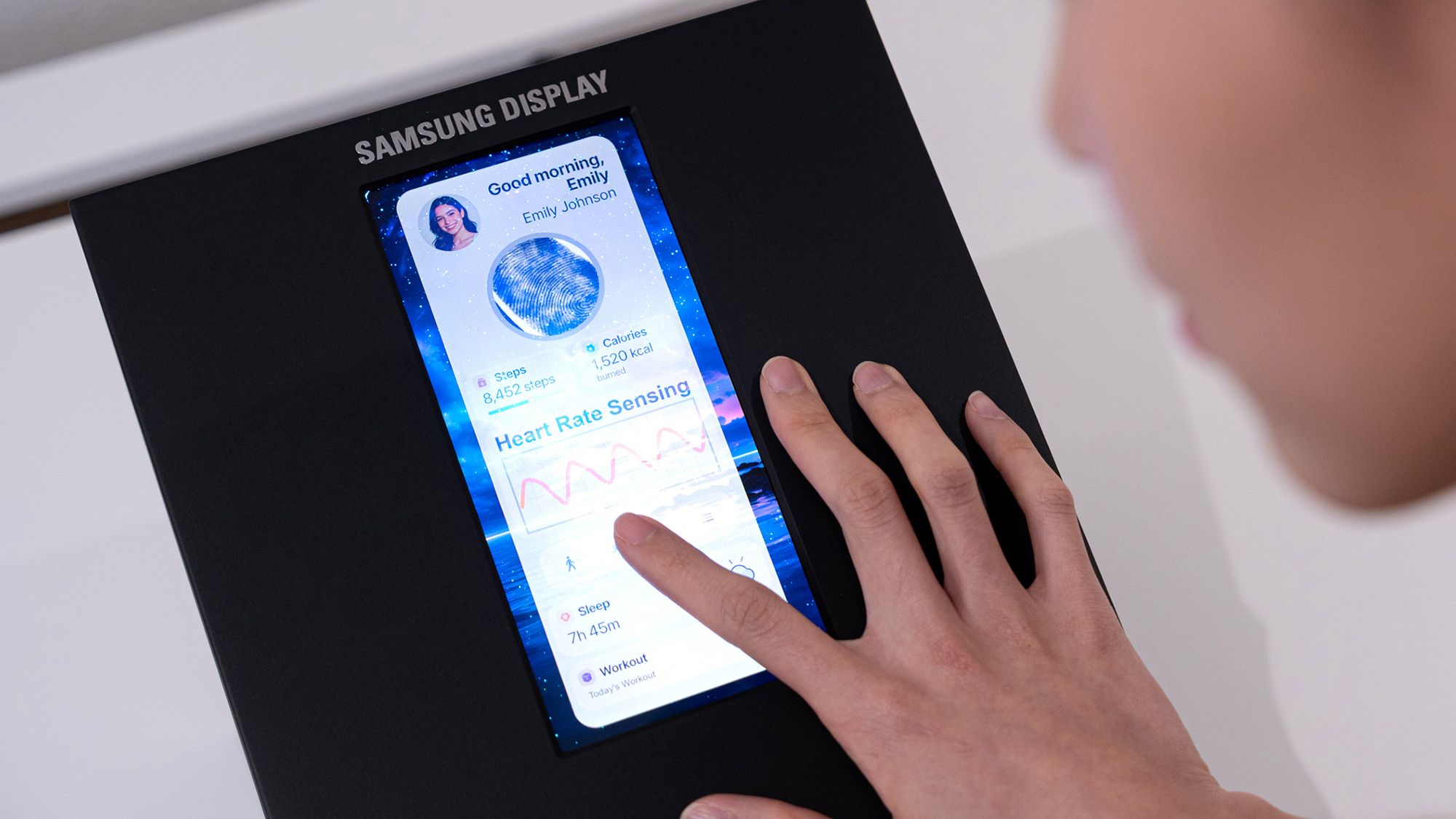
Samsung Display revealed these cutting-edge panels at the SID Display Week 2026 event in Los Angeles, and it’s the Sensor OLED Display that’s perhaps the most interesting of the bunch: it combines a 500 pixels-per-inch resolution with the ability to read biometric information such as heart rate and blood pressure.
It does this by measuring blood flow, through light emitted from the display. The screen also features the privacy protection tech that appeared in the Galaxy S26 Ultra, which stops other people from seeing what’s on your phone unless they’re looking directly at it.
Article continues below
Among the other panels shown off by Samsung was a Flex Chroma Pixel OLED screen that hits high marks for both brightness and color space: 3,000 nits and the BT.2020-96 standard respectively. BT.2020-96 is the widest color gamut standard used internationally, and while most phones get to around 70% coverage, the new panel reaches 96%.
Displays that stretch

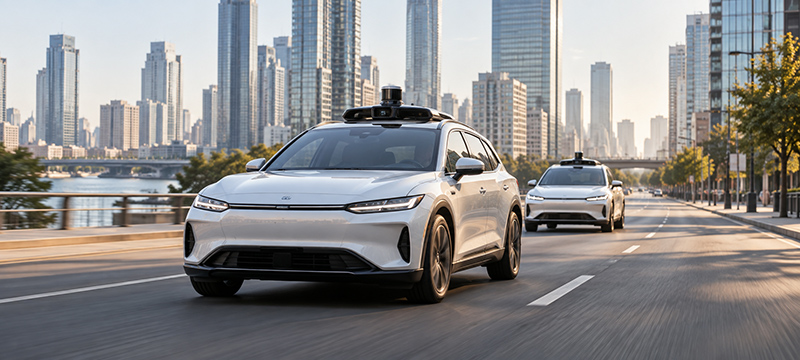
Samsung Display also demoed a “next-generation stretchable display”, rather aptly called the Stretchable Display 2.0. Samsung wants to get this screen installed into car dashboards, so the screen in your vehicle could expand or shrink depending on driving conditions, and what you and your passengers are currently doing.
The new display hits a resolution of 200 pixels-per-inch, up from the 120ppi of the previous version, and matching the current resolution offered by most car infotainment systems. This was achieved by developing a new “pixel structure” that can retain pixel density even as the screen extends and shrinks.
Finally, there were new EL-QD displays too — an upgraded quantum dot technology that Samsung is working on, which doesn’t rely on standard OLED techniques. According to the company, these screens offer high color accuracy and improved brightness while offering better power efficiency, and could be used in “AI-based high-computing environments”.
There’s no indication of when these screens will hit consumer products — some more research and development will likely be needed first — but they give us a good idea of the phone and car displays that will be arriving in the next few years.

Follow TechRadar on Google News and add us as a preferred source to get our expert news, reviews, and opinion in your feeds.