







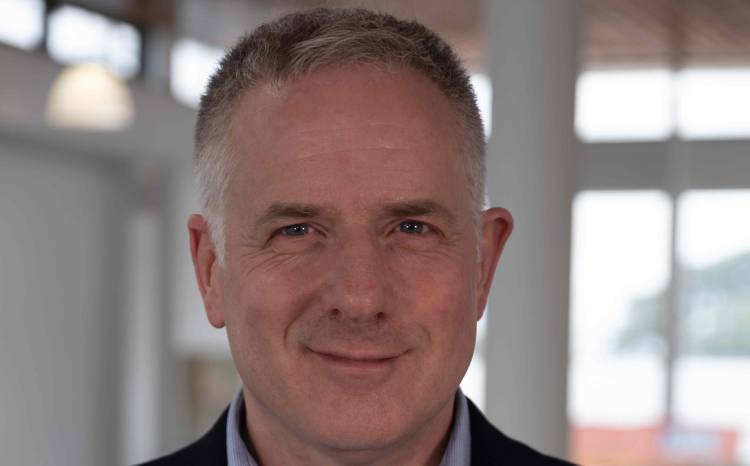
Dr Tim Jobson, medical director at Predictive Health Intelligence and consultant gastroenterologist at Somerset NHS Foundation Trust (Credit: Somerset NHS FT)
Almost 1,000 participants have been recruited into a liver disease study in less than a year using real-world NHS data.
Approximately 80% of clinical trials fail to reach their initial recruitment targets within the specified timelines, creating downstream costs for sponsors, delaying regulatory milestones and slowing the delivery of new diagnostics and therapies.
The LiveWell study was set up to evaluate a new approach to identifying people at risk of metabolic liver disease by using the hepatoSIGHT case-finding software from Predictive Health Intelligence (PHI) to identify and stratify individuals using historic blood test data in NHS systems.
It is being delivered in partnership with Somerset NHS Foundation Trust, which supported clinical oversight and research delivery, Tawazun Health which does liver ultrasound tests, Sano Genetics, and Innovate UK.
Dr Tim Jobson, medical director at PHI and consultant gastroenterologist at Somerset NHS Foundation Trust, said: “One of the central challenges in liver disease is identifying the right patients early enough to intervene meaningfully.
“Many people have minor abnormalities in their blood tests, but determining who is genuinely at risk, before it is too late, has traditionally been difficult.
“By combining longitudinal laboratory data with genetic risk, we can stratify patients far more intelligently.
“What LiveWell demonstrates is that this approach not only has clinical value but also creates a scalable way to identify and recruit the right participants for research.”
The new approach demonstrates that enrolling a large number of participants within timelines is possible with the right data, risk analysis, and partnerships.
Potentially eligible participants were invited through targeted mailings, then further screened and enrolled via the Sano Genetics platform, which enables e-consent, at-home genetic testing, FibroScan appointment booking, and integrated data capture.
Recruitment and engagement performance highlights included 1,300 unique visitors to the study landing page, a 95% engagement rate, a 76% rate of conversion to sign-up, and 996 participants enrolled into the study with more than 99% going on to order a genetic test.
Patrick Short, chief executive and co-founder of Sano Genetics, said: “This study demonstrates how the rich longitudinal healthcare datasets can be translated into precision case finding for genetic medicine trials.
“By combining secure data access with a compliant recontact, consent, and remote-testing framework, we enable systematic identification and engagement of eligible patients.
“This is an exciting demonstration of a scalable model for accelerating access to innovative therapies and trials.”
By using longitudinal blood test data and genetics, LiveWell aims to help researchers better identify the right individuals earlier, supporting more targeted assessment and long-term follow-up.
Participants are invited to provide a saliva sample for genetic testing and attend a non-invasive ultrasound-based FibroScan assessment to assess their liver health risk.
The study is ongoing, with genotyping and FibroScan assessments continuing, and an initial results expected later this year.