








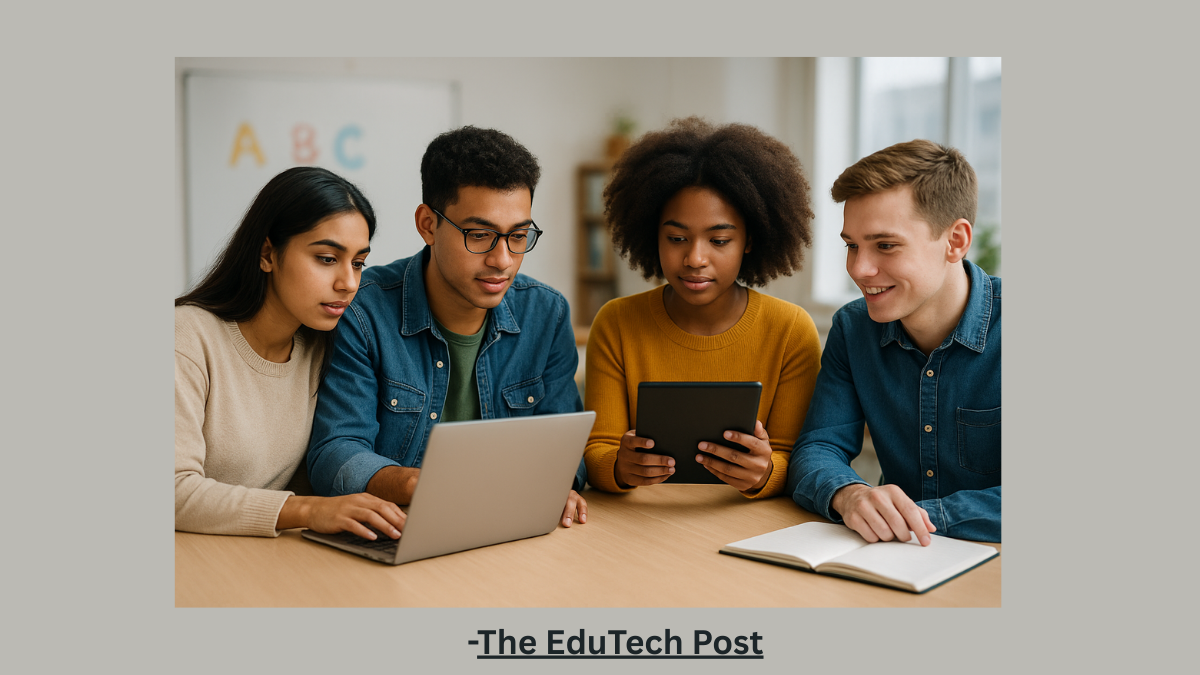

For decades, English has dominated the global education ecosystem. While it opened doors for many, it also quietly closed them for millions of learners worldwide who do not speak English fluently. In today’s digital era, however, a powerful shift is underway. Multilingual digital education is emerging as one of the most effective ways to make learning inclusive, accessible, and equitable for students everywhere.
As digital platforms expand, education is no longer limited by geography—but language remains a critical barrier. Addressing this challenge is key to ensuring that digital education truly serves everyone, not just a privileged few.
The Global Language Barrier in Education
Despite the growth of online learning, a large portion of educational content is still delivered primarily in English. This creates obstacles for:
- Non-English speakers
- First-generation learners
- Students from rural or underserved regions
- Migrant and refugee communities
- Adult learners returning to education
When learners struggle to understand the language of instruction, comprehension drops, confidence weakens, and dropout rates increase. Research consistently shows that students learn more effectively when taught in a language they understand well, especially during foundational learning years.
This is where multilingual digital education becomes transformative.
What Is Multilingual Digital Education?
Multilingual digital education refers to online learning platforms, tools, and content that are available in multiple languages, enabling learners to access the same high-quality education regardless of their primary language.
This includes:
- Video lessons with multilingual narration or subtitles
- Localized course materials and assessments
- AI-powered real-time translation
- Voice-based learning in native languages
- Digital textbooks adapted for cultural relevance
By removing language as a barrier, digital education becomes more inclusive and learner-centric.
Why Multilingual Learning Matters in the Digital Age
1. Improves Learning Outcomes
Students understand concepts faster and retain knowledge better when learning in their strongest language. Multilingual content reduces cognitive overload caused by language translation in the learner’s mind.
2. Builds Learner Confidence
When students can participate without fear of language mistakes, engagement increases. This leads to better classroom interaction, stronger self-expression, and improved academic performance.
3. Supports Educational Equity
Language-inclusive platforms help bridge the gap between privileged learners and underserved communities, ensuring that access to quality education does not depend on language fluency.
4. Encourages Lifelong Learning
Adults who may have avoided education due to language barriers are more likely to upskill and reskill when learning is available in familiar languages.
The Role of Technology and AI in Multilingual Digital Education
Modern technologies are accelerating the growth of multilingual education globally.
AI and Machine Translation
AI-driven tools now enable accurate content translation, voice-to-text learning, and real-time subtitles—making multilingual delivery scalable and cost-effective.
Adaptive Learning Platforms
These platforms detect learner preferences and automatically deliver content in the most suitable language, improving personalization.
Mobile Learning Apps
Mobile-first platforms offering multilingual support are reaching learners in remote and low-connectivity regions, ensuring education is portable and flexible.
Global Impact of Multilingual Digital Learning
Across continents, multilingual digital education is driving meaningful change:
- Higher enrollment and completion rates
- Increased learner confidence and participation
- Better understanding of technical and vocational skills
- Preservation of linguistic and cultural diversity
Education delivered in multiple languages does not reduce global unity—it strengthens it.
Challenges in Implementing Multilingual Education
Despite its benefits, several challenges remain:
- Maintaining accuracy and quality across languages
- Addressing cultural nuances in learning content
- Training educators for multilingual digital delivery
- Balancing scalability with local relevance
However, advancements in AI, open educational resources, and global collaboration are rapidly solving these challenges.
The Future of Global Digital Education
The future of education is not English-only—it is inclusive, multilingual, and learner-driven. As digital learning becomes mainstream, platforms that prioritize language accessibility will lead the next generation of education.
Global education organizations, EdTech companies, and institutions are increasingly recognizing that language inclusion is not optional—it is essential.
When students learn in a language they understand, education becomes more than information delivery; it becomes empowerment.
Frequently Asked Questions (FAQs)
Why is multilingual digital education important?
It removes language barriers, improves comprehension, and ensures equitable access to education for non-English speakers worldwide.
Is multilingual education effective online?
Yes. Studies show learners perform better academically and remain more engaged when learning is available in a familiar language.
How does AI support multilingual learning?
AI enables real-time translation, speech recognition, adaptive content delivery, and personalized multilingual learning experiences.
Does multilingual education replace English learning?
No. It supports foundational learning while allowing learners to gradually develop additional language skills, including English.
Conclusion
Multilingual digital education is transforming global learning by breaking language barriers and opening doors for millions of learners worldwide. It ensures that education is not limited by language, geography, or background. As digital platforms expand, embracing language diversity will be essential to building a fair, effective, and truly global education system.
Education should be understood by all, because access to knowledge should never depend on the language someone speaks.
Find more edutech articles and news on this website