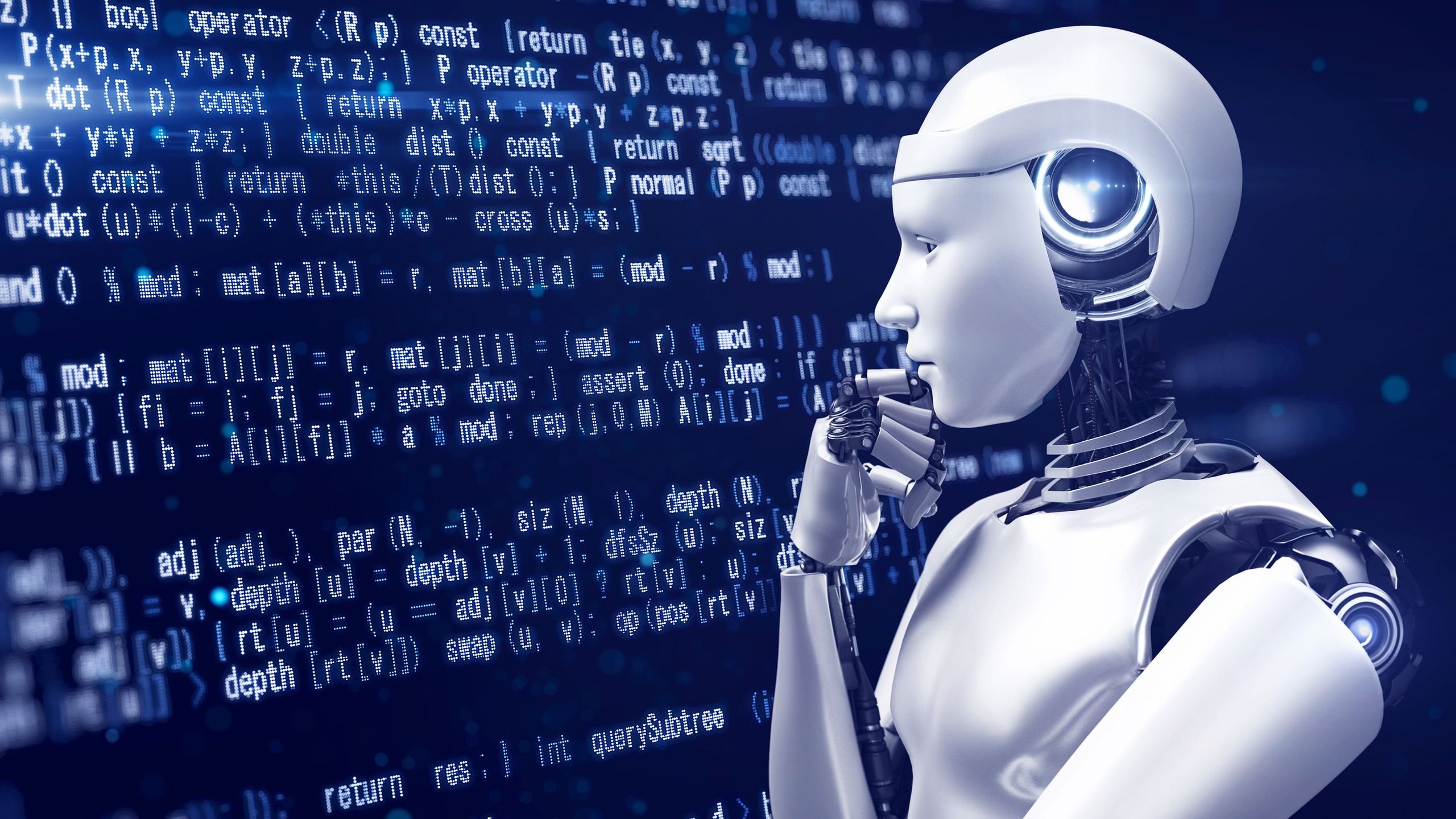






Artificial intelligence has quickly become one of the most powerful technologies transforming education. From AI-powered tutors and writing assistants to personalized learning platforms and automated feedback tools, students today have more learning resources than ever before. Yet beneath these exciting innovations lies a growing concern: not every learner has equal access to these technologies.
For years, educators focused on closing the traditional digital divide by ensuring students had internet connections and digital devices. While that challenge still exists, a new and more complex gap is emerging. Today, the question is no longer simply whether students have access to technology—it is whether they have access to AI.
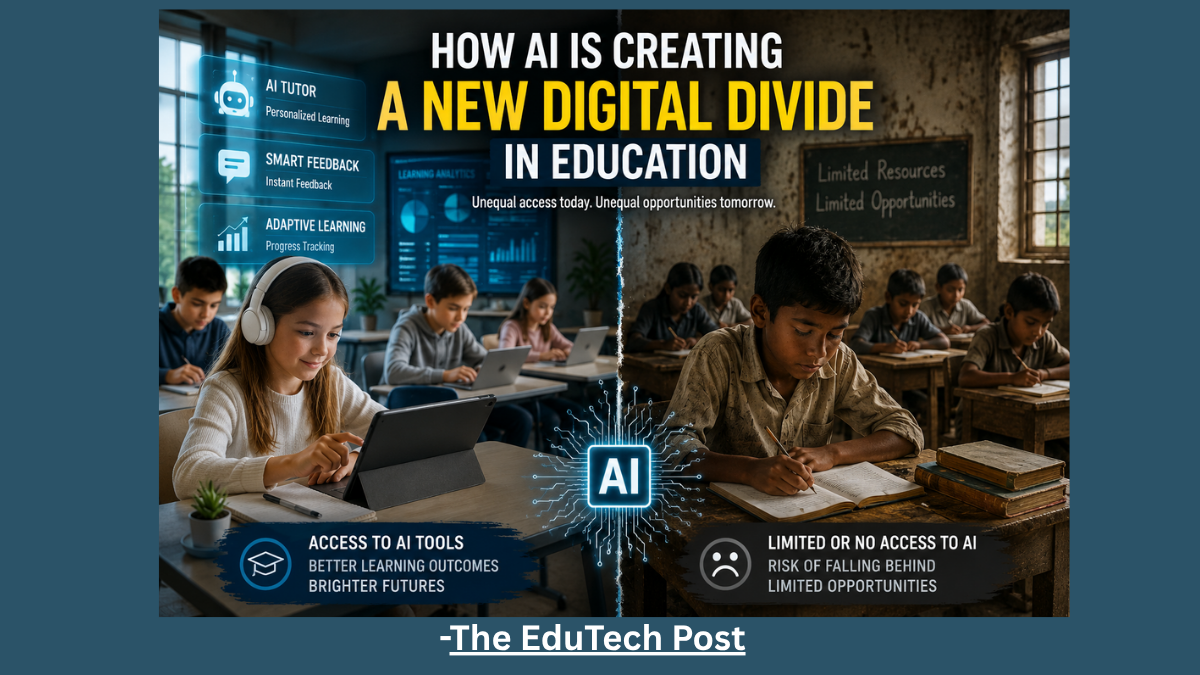
This AI digital divide in education has the potential to widen educational inequalities. Students with access to advanced AI tools can learn faster, receive personalized guidance, improve their writing, and strengthen problem-solving skills. Meanwhile, those without access risk falling further behind in an increasingly AI-driven world.
In this article, we’ll explore how AI is reshaping educational equity, why this new divide matters, and what schools, governments, and technology companies can do to ensure every learner benefits from artificial intelligence.
Understanding the New Digital Divide
The phrase “digital divide” traditionally referred to unequal access to computers and the internet. Governments and educational institutions invested heavily in expanding broadband access, distributing laptops, and creating digital classrooms.
However, AI has introduced a new layer of inequality.
Today, two students may own laptops and enjoy high-speed internet, yet one has access to premium AI learning platforms, advanced tutoring systems, and AI productivity tools, while the other relies solely on traditional online resources. This difference can significantly influence academic performance, confidence, and future career opportunities.
Unlike previous technological gaps, AI access depends on several factors:
- Availability of AI tools
- Subscription costs
- Digital literacy
- Teacher training
- School funding
- Government policies
- Responsible AI implementation
As AI becomes integrated into classrooms, these differences become increasingly important.
Why AI Is Transforming Education
Artificial intelligence is no longer a futuristic concept. It is already helping millions of students around the world learn more efficiently.
Modern AI platforms can:
- Explain difficult concepts instantly
- Generate personalized quizzes
- Translate educational content
- Provide writing feedback
- Create study plans
- Assist students with disabilities
- Offer 24/7 tutoring support
Rather than replacing teachers, AI has the potential to become an intelligent learning assistant that adapts to every student’s needs. However, these advantages are available only to students who can access and effectively use AI technologies.
🎥 Watch: Can AI Make Education More Equal? Experts Discuss the Future
The Growing Gap Between Students
One of the most concerning aspects of the AI revolution is the uneven distribution of opportunities.
Students attending well-funded schools often benefit from:
- AI-powered classrooms
- Teacher training programs
- Premium educational software
- Faster internet infrastructure
- Dedicated technology support
Meanwhile, students in underserved communities may have limited or no access to these resources. This creates an educational gap that extends beyond devices and connectivity. Students with AI assistance may complete assignments more efficiently, improve research skills, and receive instant academic support. Others may spend significantly longer solving the same problems without comparable guidance.
Over time, these differences can influence academic achievement, university admissions, and employment opportunities.
AI Access Is More Than Just Technology
Many people assume AI access simply means having a chatbot. In reality, meaningful AI access involves several interconnected factors. Students need reliable devices, stable internet, digital literacy, responsible guidance, and educators who understand how to integrate AI into learning effectively. Without these supporting elements, even free AI tools may provide limited educational value.
This is why educational experts increasingly view AI access as an ecosystem rather than a single technology.
Economic Barriers Continue to Grow
Although several AI platforms offer free versions, many advanced educational features require paid subscriptions.
Premium AI services often include:
- Faster responses
- Advanced reasoning
- Longer conversations
- File analysis
- Personalized tutoring
- Coding assistance
- Research support
For many families, these monthly costs may not be affordable. As premium AI capabilities continue to improve, students who can afford them may gain advantages over those relying solely on free alternatives. This raises important questions about fairness in education.
Schools Face Unequal AI Readiness
Not every educational institution is equally prepared for AI adoption.
Some schools have already introduced:
- AI literacy courses
- Classroom AI policies
- Teacher workshops
- AI-assisted lesson planning
- Student AI projects
Others are still debating whether AI should even be allowed in classrooms.
This inconsistency creates unequal learning experiences across regions and school systems. Students graduating from AI-enabled schools may enter universities and workplaces with significantly stronger AI skills than their peers.
Teacher Training Plays a Critical Role
Technology alone cannot improve education. Teachers remain central to successful AI integration.
Educators need training to understand:
- AI capabilities
- AI limitations
- Ethical AI use
- Bias in AI systems
- Academic integrity
- Classroom implementation strategies
Without proper professional development, even the best AI tools may remain underused or misused. Supporting teachers is therefore one of the most effective ways to reduce the AI digital divide in education.
AI Literacy Is Becoming an Essential Skill
Just as digital literacy became essential over the past two decades, AI literacy is rapidly becoming equally important.
Students should learn how to:
- Write effective prompts
- Verify AI-generated information
- Detect misinformation
- Protect personal data
- Use AI responsibly
- Understand algorithmic bias
These skills prepare learners not only for academic success but also for future careers.
Simply providing AI tools without teaching responsible usage does little to close educational inequality.
Ethical Concerns Cannot Be Ignored
The rapid growth of AI also raises ethical questions. Some AI systems may reflect biases present in their training data. Others may produce inaccurate or misleading information.
Schools must therefore teach students to critically evaluate AI-generated responses instead of accepting every answer without question.
Responsible AI education encourages curiosity, verification, and independent thinking rather than overreliance on technology.
Governments and Policymakers Have an Important Role
Closing the AI digital divide requires coordinated efforts beyond individual schools.
Governments can help by:
- Investing in digital infrastructure
- Supporting teacher training
- Expanding AI literacy programs
- Funding underserved schools
- Developing national AI education strategies
- Encouraging ethical AI standards
Public investment can ensure AI benefits all learners instead of becoming another source of educational inequality.
How Technology Companies Can Help
EdTech companies also have an opportunity to make AI more inclusive.
Possible initiatives include:
- Affordable educational subscriptions
- Free AI tools for schools
- Teacher training resources
- Accessibility features
- Multilingual AI support
- Partnerships with educational institutions
When technology companies collaborate with educators, AI becomes more accessible to diverse learning communities.
Practical Steps Schools Can Take Today
Educational institutions do not need enormous budgets to begin addressing the AI divide.
Schools can start by:
- Introducing AI literacy lessons
- Establishing clear AI usage policies
- Encouraging responsible experimentation
- Providing teacher workshops
- Offering equal access during school hours
- Evaluating AI tools carefully before adoption
Small but consistent improvements can make AI more inclusive for all students.
Looking Ahead
Artificial intelligence will likely become as common in education as search engines and learning management systems are today. The challenge is ensuring this transformation benefits everyone equally. If access remains unequal, AI could unintentionally deepen existing educational disparities.
If implemented thoughtfully, however, AI has the potential to personalize learning, support struggling students, reduce teacher workloads, and expand educational opportunities worldwide.
The future of education will not simply depend on how advanced AI becomes—it will depend on how fairly society chooses to distribute its benefits.
Final Thoughts
Artificial intelligence is reshaping education at an extraordinary pace, offering personalized learning, intelligent tutoring, and powerful academic support. Yet these innovations also highlight a new challenge: unequal access to AI.
The AI digital divide in education is no longer a theoretical concern. It is already influencing how students learn, how teachers teach, and how schools prepare young people for the future.
Bridging this divide requires collaboration among governments, educators, technology companies, and communities. Equal access to AI must be paired with digital literacy, teacher training, ethical guidelines, and inclusive policies.
When every learner has the opportunity to use AI responsibly and effectively, education becomes not only more innovative but also more equitable. The true promise of artificial intelligence lies not in replacing human learning, but in ensuring every student—regardless of background—has the tools to reach their full potential.
Also Read: Teacher vs AI: Who Gives Better Feedback to Students?