








- Weekend work has risen over 40% as schedules start earlier, but productivity gains remain uneven
- AI adoption has integrated deeply, increasing time spent across all tasks
- Collaboration and multitasking have surged, while uninterrupted focus reaches a three-year low
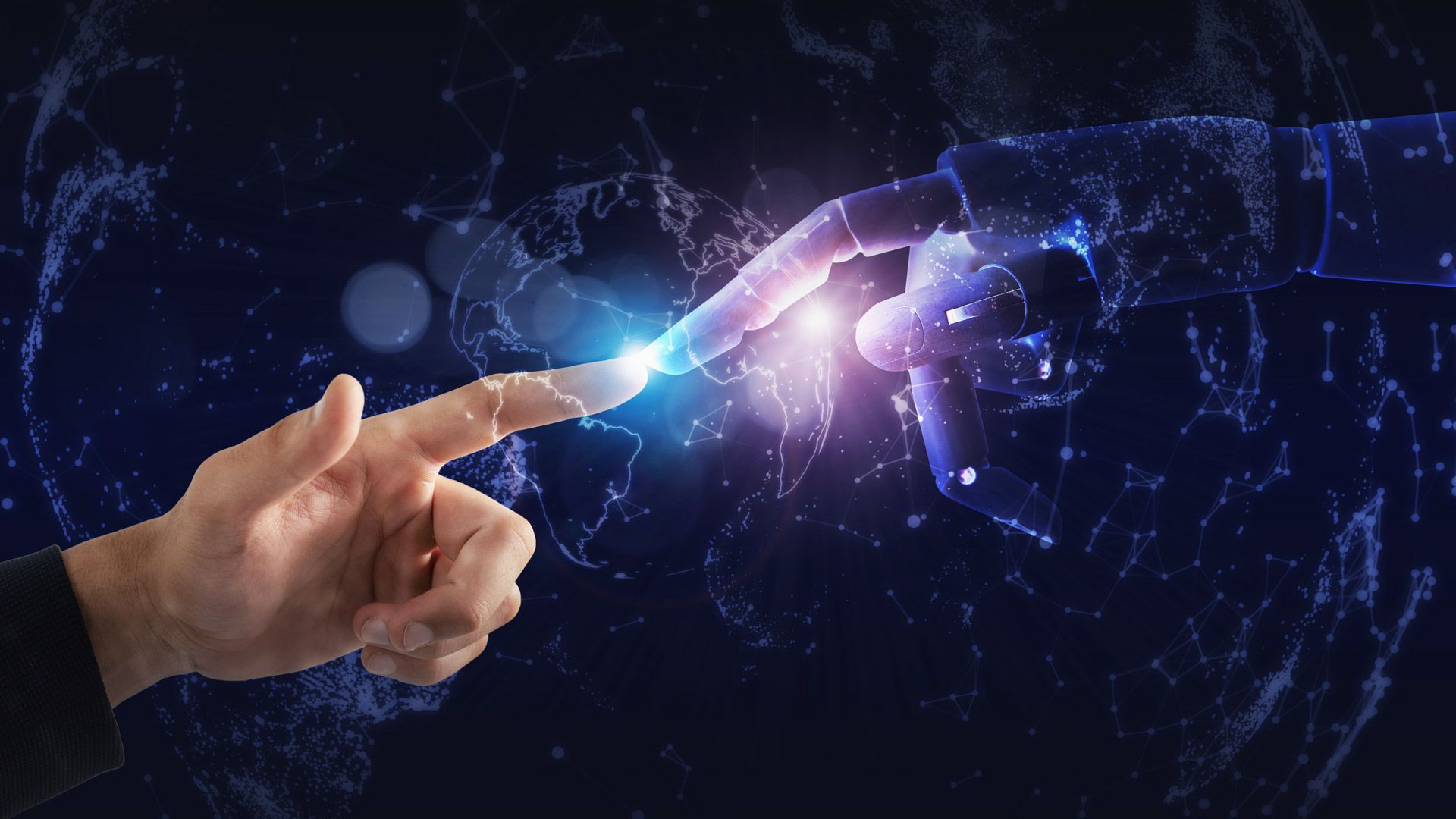
The rapid adoption of Artificial Intelligence created the impression that humans would complete tasks faster and reduce workplace burdens.
But new data from the ActivTrak Productivity Lab’s 2026 State of the Workplace analysis claims workplace activity is not shrinking in the way many expected.
In fact, weekend work has increased by more than 40%, with measurable activity now beginning as early as 7:11 am on Saturdays.
Article continues below
Work intensity rises despite shorter days
Analysis of a dataset spanning more than 443 million hours of digital activity across over one thousand organizations reveals that although the average workday has reduced slightly, by about 2%, the nature of work itself is becoming denser and more fragmented.
Around 80% of employees now rely on AI tools, showing how quickly these systems have become part of daily tasks.
As usage increases, time spent within these tools has also grown, pointing to deeper integration across workflows.
At the same time, workplace behavior is shifting in noticeable ways, with collaboration increasing by 34% and multitasking rising by 12%.
However, this comes with a trade-off, as focus time has dropped to its lowest level in three years – and as a result, uninterrupted work is becoming less common, even as overall activity increases.
After AI adoption, time spent across different work categories rose sharply, including a 104% increase in email usage and a 145% rise in chat and messaging.
Despite this increase in activity, not all work time is used effectively. Underutilization remains a key factor, referring to employees falling below expected productive hours during the day.
Over time, this has contributed to a rise in disengagement risk, which now affects 23% of employees, up from 19% previously.
This suggests that higher activity levels do not always lead to better outcomes. Instead, work is spreading across more tools and communication channels rather than focusing on fewer, high-value tasks.
In practice, this means employees are doing more, yet not always achieving more.
Also, the fact that Saturday work now starts earlier in the morning shows how the line between weekdays and weekends is fading.
Gradually, the boundary between weekdays and weekends is becoming less defined, as communication tools keep employees connected beyond traditional working hours.
Taken together, the data suggest that increased capacity created by AI has not been matched by changes in how work is organized.
One way to understand this trend is that work is moving faster than organizational structures can keep up.
This is probably not driven by morale, behavior, or labor availability, but rather by how management allocates and redeploys capacity.
As workloads ease, the extra capacity is not automatically channeled into higher-value tasks, instead, it often drifts toward less productive or disengaged activity.
This dynamic can be compared to upgrading a car’s engine without adjusting the steering — speed improves, but direction remains uncertain.
Follow TechRadar on Google News and add us as a preferred source to get our expert news, reviews, and opinion in your feeds. Make sure to click the Follow button!
And of course you can also follow TechRadar on TikTok for news, reviews, unboxings in video form, and get regular updates from us on WhatsApp too.