








Why you can trust TechRadar
We spend hours testing every product or service we review, so you can be sure you’re buying the best. Find out more about how we test.
Canon PowerShot Elph 360 HS A: two-minute review
Several camera brands are riding the wave of sudden popularity in compact digital models that we’ve seen over the past couple of years. I suppose we should have seen an uptick in interest coming, once photographers started using smartphone cameras for ‘serious’ work, and while the format has never truly vanished completely, the humble compact seems to be returning to the mainstream.
Image quality is perfectly acceptable for point-and-shoot uses which, let’s face it, is the main reason you’d buy a compact camera in the first place. It isn’t going to win awards for critical sharpness or low light performance like it’s big brother the Canon EOS R6 Mark III, nor is it going to become a Netflix filmmakers tool, like the Nikon ZR, but it provides maximum portability and a practical solution for casual travel photography.

Its 20.2MP 1/2.3-inch sensor is back-illuminated, which goes some way to improving signal-noise ratio in reasonable lighting, but it falls short once the ambient lighting levels drop. Images are fairly mushy under interior lights, where the ISO must be raised above 400.
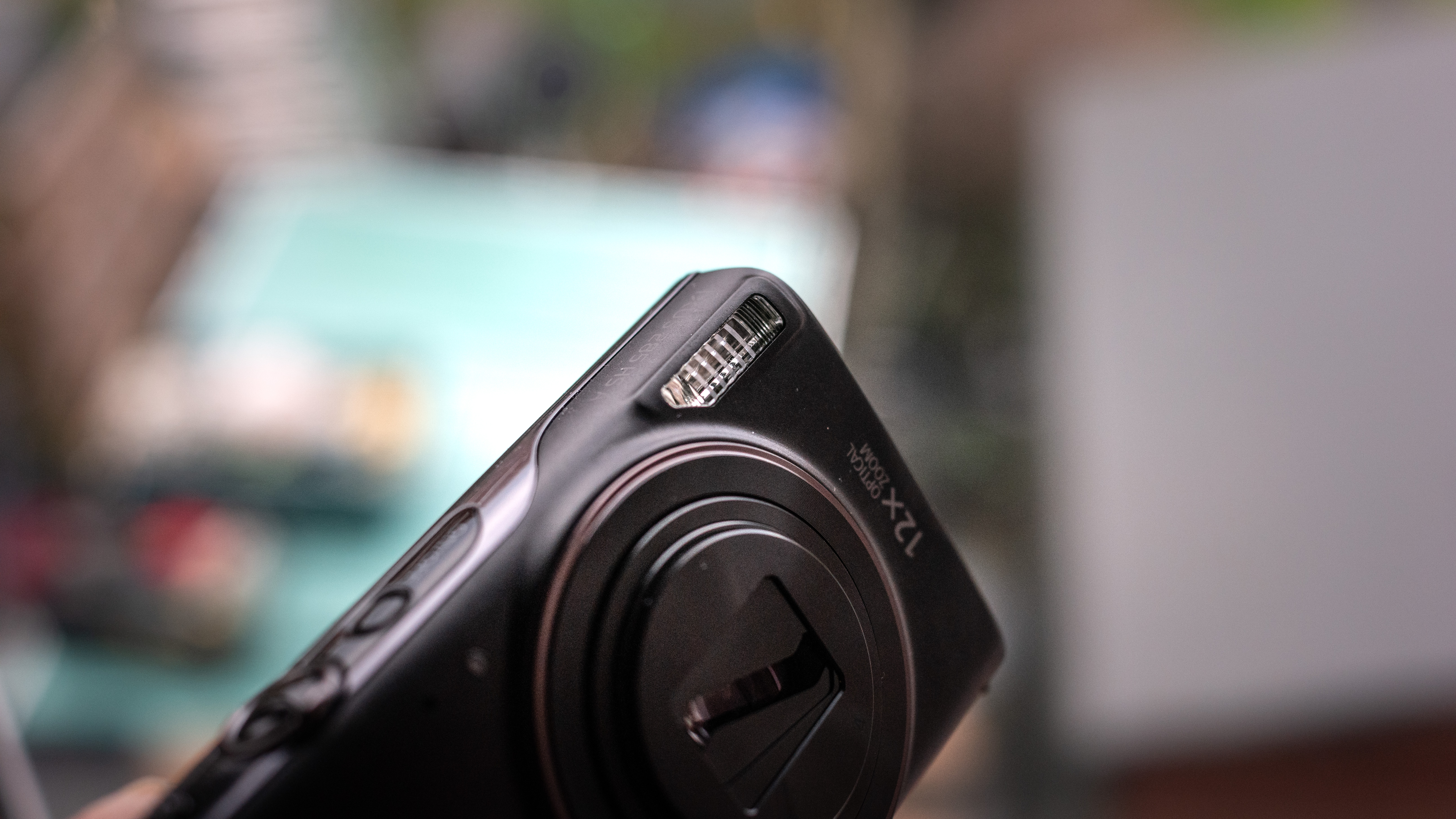
I’m glad Canon didn’t feel tempted to squeeze on more pixels, which is something many smartphone manufacturers do to grab the headlines, as any more would have been a step too far in my opinion. The flash doesn’t help much as it’s small and not very powerful, plus it tends to bleach detail, creating an ugly exposure fall-off inherent to direct flash photography in darker environments.
However, you’ll probably find this flash effect is one of the reasons for people to buy the camera. It’s an incomprehensible reversal of consumer aspirations for image quality, but the ‘disposable camera look’ of the 80s, 90s and 2000s is to Gen-Z what honey is to ants. Images from cameras such as this are edgy and original to this age group, while to mine (millennials and others with more grey hairs than they’d like generally known) they bring a wash of nostalgia.
The zoom is very handy, supported by a surprisingly effective image stabilization (IS) system that keeps shots steady as low as 1/25sec at the long end of the focal range in my tests. The screen, meanwhile, isn’t super-detailed but matches the baseline quality of the files the sensor is capable of turning out.
All-in-all, the Canon PowerShot Elph 360 HS A / Ixus 285 HS A is a fun, trendy, and highly usable compact camera that, as long as you buy it with realistic expectations, is sure to bring you joy and great memories.
Canon PowerShot Elph 360 HS A specs
|
Type: |
Digital compact |
|
Sensor: |
1/2.3 type back-illuminated CMOS |
|
Sensitivity: |
ISO 80-3200 |
|
Shutter speeds: |
5 – 1/2000sec |
|
LCD: |
7.5 cm (3.0”) LCD (TFT), Approx. 461,000 dots |
|
Memory: |
MicroSD |
|
Lens: |
4.5 – 54.0 mm (25 – 300 mm Efl) f/3.6 – f/7.0 |
|
Video: |
Full HD (1080p) |
|
Photo: |
20.2MP |
|
Burst rate |
2.5fps / 7.2fps (5MP) |
|
Dimensions: |
99.6 x 58.0 x 22.8 mm |
|
Weight: |
5.15oz / 146g |

Canon PowerShot Elph 360 HS A: Price and availability
- Released September 9 2025
- Canon PowerShot Elph 360 HS A costs $379.99 / £369.99 / AU$549
- The camera is currently sold out in most markets due to high demand
The Canon PowerShot Elph 360 HS A is available for $379.99 in the USA. The camera is sold as the Canon Ixus 285 HS A in the UK and Australian markets and can be found for £369.99 / AU$549 depending on the retailer.
Due to the incredible demand for the camera, many resellers are currently out of stock in most markets, with back-ordering often available.
Canon PowerShot Elph 360 HS A: Design
- Small and compact body which is easy to carry in a coat pocket
- There is no touchscreen LCD, which seems and odd omission
- Telescopic 12x zoom lens closes to a flat profile when the camera is off
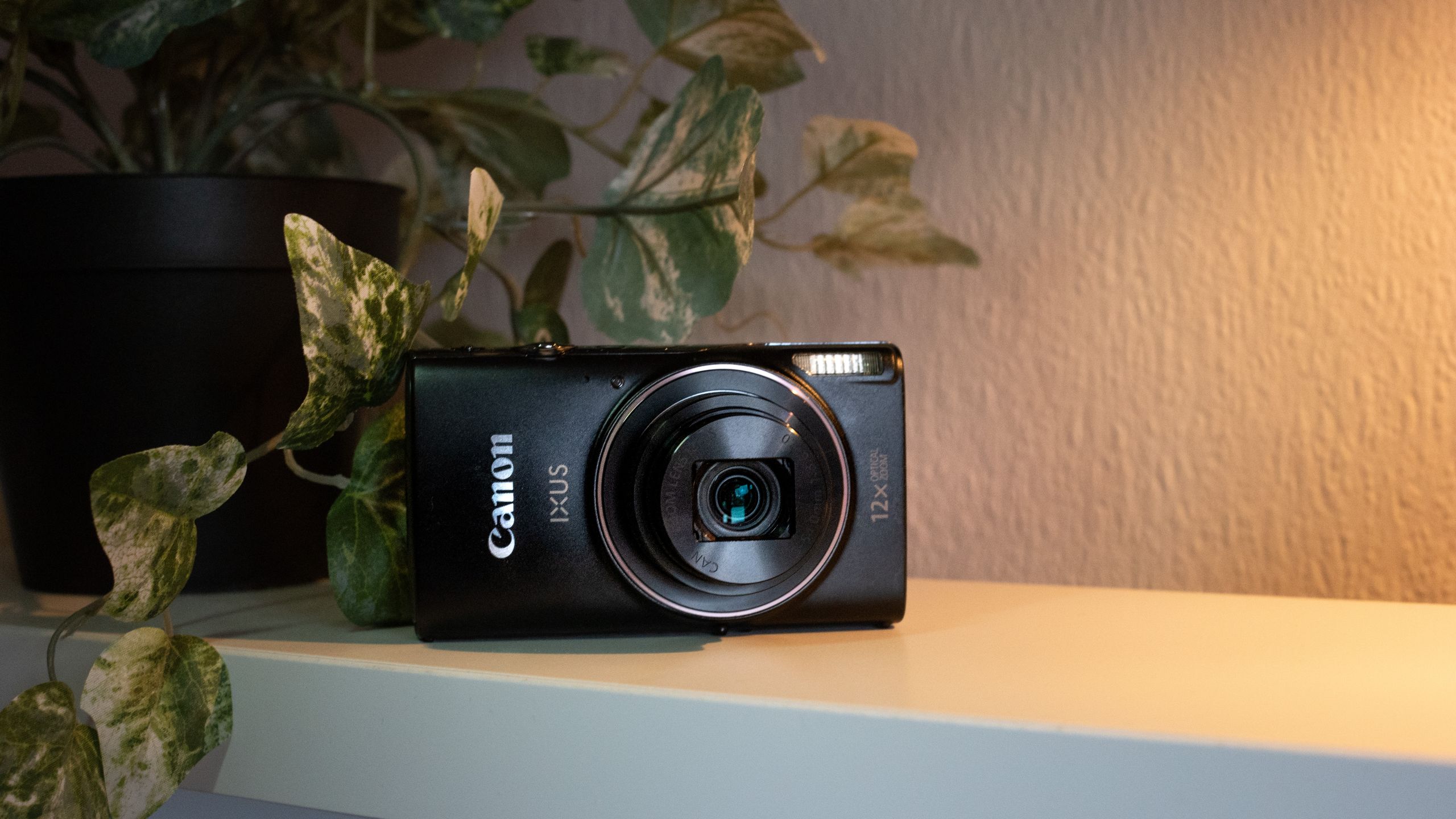
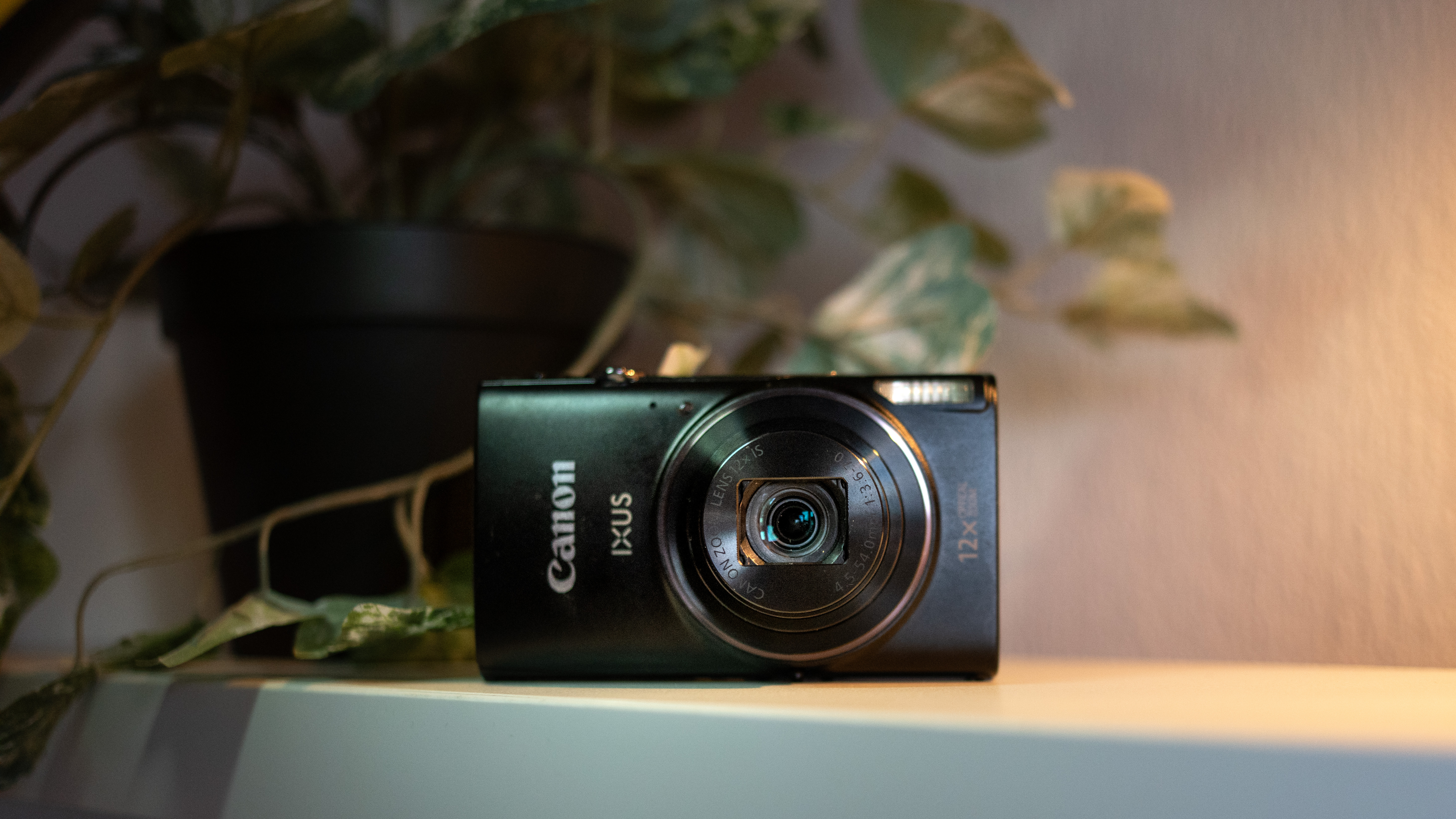
On picking up the Canon PowerShot Elph 360 HS A you realise you’d forgotten how impressively small compact cameras could be, despite their sometimes exceptional zoom ranges. Compared to an interchangeable lens camera, or even the average smartphone, this Powershot camera is positively tiny. It comfortably fits in a coat or trouser pocket and, unlike a smartphone, the lens is conveniently folded away behind a protective shutter, reducing the possibility of scratches.
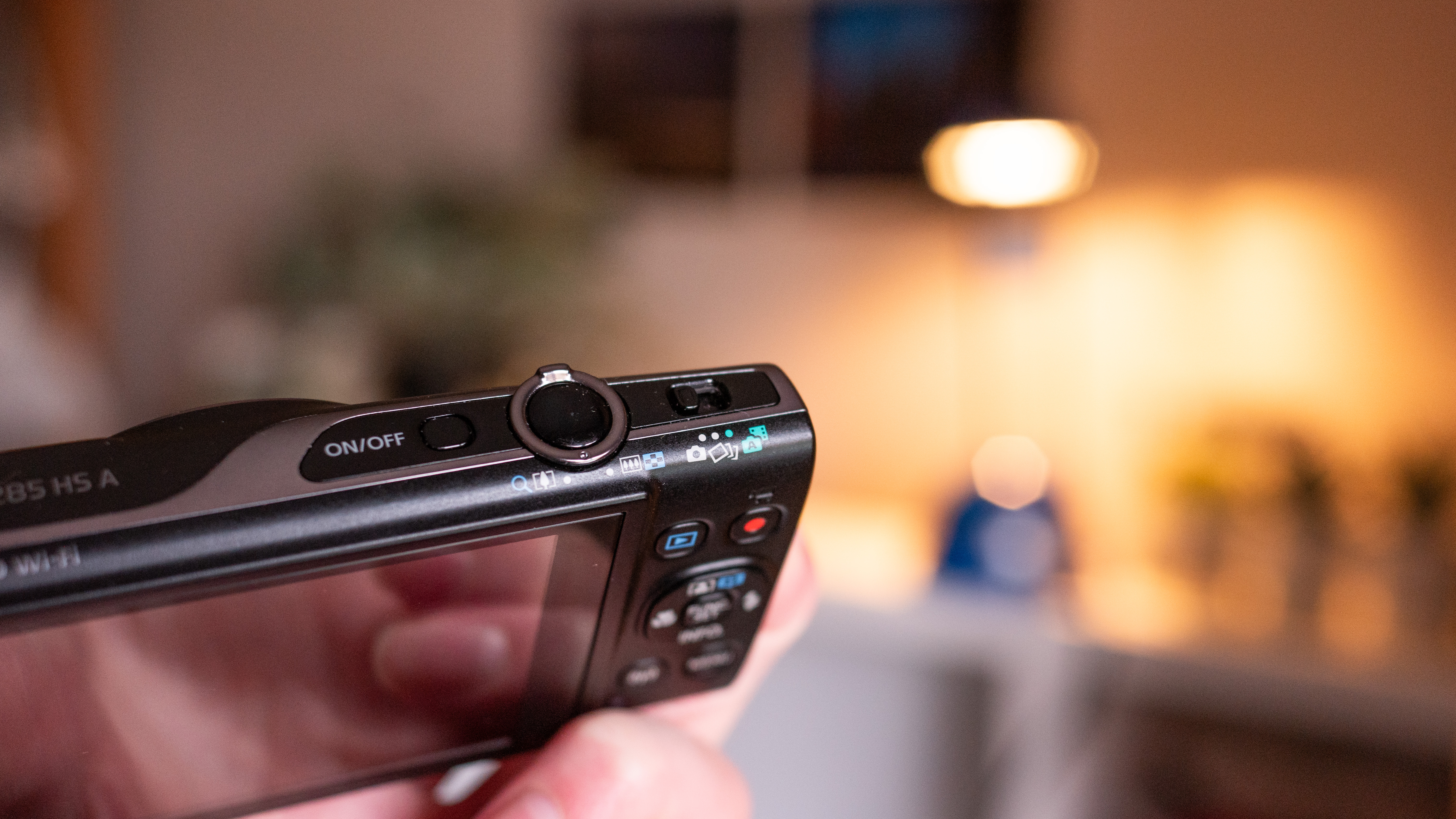
Despite its diminutive proportions, the camera is easy to handle. All of the buttons are within easy reach of the thumb and can be pressed comfortably. Most of these are recessed into the camera body, making it less likely to press them by accident – always a potential issue on a device that lives in your pocket, but without the protection of a locked touchscreen.
For someone with larger hands such as myself, it can be a challenge to hit the right button on the first attempt without knocking its neighbours, since they are all so close together. I didn’t encounter too many occasions where I was required to work quickly with the PowerShot though, so it didn’t prove too inconvenient.

The mode switch on the top right of the body, next to the shutter button, makes it simple to flick between Automatic and custom shooting modes, although there aren’t too many of those. The Auto mode is the basic point-and-shoot mode for stills and video, but by navigating through the menu system, it’s possible to switch the camera into Program mode for more manual control.
Just as on higher-end cameras, Program mode looks after the shutter speed and f-stop, but enables the user to select the ISO along with color profiles and other more custom settings. There is no Tv or Av modes like you might find on the main dial of a Canon EOS R8, or even the entry level mirrorless Canon EOS R100, however, so you are reliant on the internal light meter to do its job well.
The middle position is the Creative Shot mode, which curiously shoots five additional frames each time you fire the shutter, each one having a different effect applied. I guess this is a quick way to capture unique shots for social media, but the effects themselves are questionable.
Finally, Hybrid Auto captures a short video ahead of the final still photo, creating a sort of behind-the-scenes style clip that could be used to accompany an image in an Instagram Reel or on TikTok. You can tell it’s this user demographic the Elph 360 HS A is aimed squarely towards.
Image 1 of 4
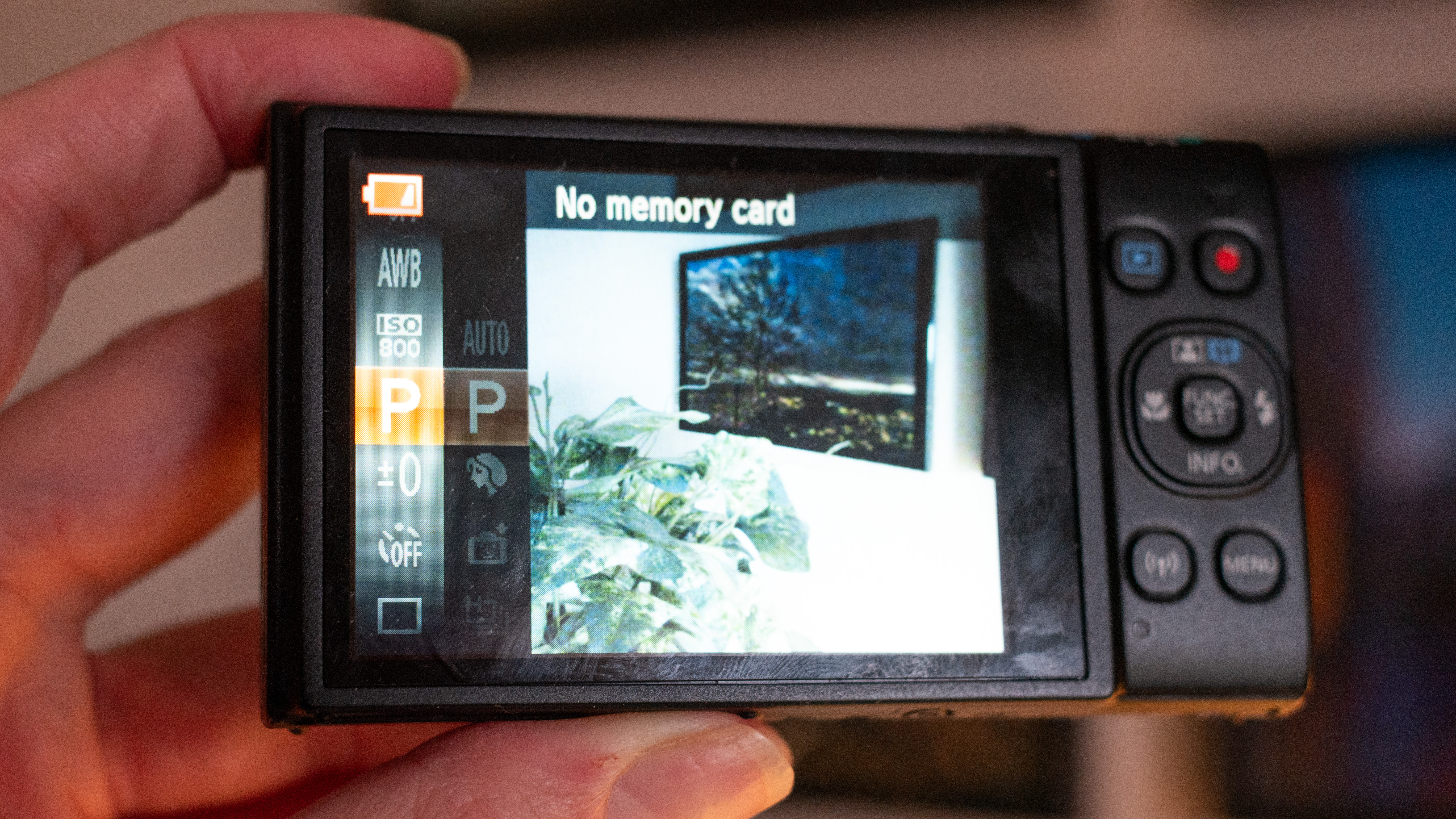
The main LCD isn’t especially mind-blowing, not least because it isn’t touch-sensitive. I understand this keeps the cost down, but in the smartphone age it seems a strange omission. I guess it really leans into the ‘blast from the past’ theme and while I was unhappy at first, I quickly grew accustomed to going without. In fact, I ended up enjoying the neo-vintage effect this created and suddenly, I was back in High School again. Technology-wise, the 2000s were literally simpler times.
The resolution can’t keep up with many of the most recent smartphones and tablets, at approximately 461,000 dots, and images do look a little washed out. Even magnifying the preview image doesn’t reveal much about the sharpness and contrast of the saved file. However, shots from this camera aren’t meant to be seen up close or in-print, so the screen is good enough for checking the basics of composition and exposure, in anticipation of sending your images to the web.
The new microSD memory card format might bug some users, especially if you have a collection of full-size SD cards in your collection. However, since many potential buyers will be coming from a smartphone anyway, it shouldn’t be too unfamiliar. If you buy a microSD card with an SD adaptor, you can enjoy the best of both worlds should you need to re-use it in a larger format camera.
Canon PowerShot Elph 360 HS A: Performance
- Relatively limited 180-shot battery life
- Integrated optical IS system is very effective in low light
- Rapid autofocus with subject tracking
- No RAW file shooting capability
Despite having a smaller sensor and often lower resolution than interchangeable lens cameras, compacts also regularly suffer from reduced processing power, caused by the use of a derated version of a processing engine found in higher-end models. This keeps costs and size down, but negatively impacts performance, including startup times. Thankfully, the Canon PowerShot Elph 360 HS A doesn’t lag too much, and takes only a couple of seconds to be shot-ready from pressing the power button. There weren’t any instances where I felt I had missed a shot because the camera wasn’t ready. It’s impressive for a model in this price bracket.
Similarly, there isn’t excessive buffering after each shot, perhaps helped by the fact you can only shoot JPEGs, with no RAW mode available. This limits maximum file size, but the result is still a sporty camera with respectable reflexes. There’s more of a delay after a burst of images, namely in the Creative Shot mode where a sequence of six shots is created in one go, putting the DIGIC 4+ processor under more strain.
The iSAPS (Intelligent Scene Analysis based on Photographic Space) technology is said to improve the performance of the white balance, autofocus, and auto exposure systems – the camera put in a reasonable performance on all fronts.
The AF system isn’t up to the standards of the Dual Pixel CMOS AF system seen in cameras like the Canon EOS R5 Mark II or EOS R10 or even the PowerShot V1. These models not only provide full phase-detection AF capability, but also have far more latitude for customization of subject sensitivity and tracking behavior. That said, the PowerShot Elph 360 HS A isn’t slow to focus, especially in good light.
It was able to pick out details in the landscape, at both wide and long focal lengths with minimal hunting, and rarely did I find it had back or front-focused. It struggled more at close focusing distances, using the Macro shooting mode. I couldn’t get the camera to find the area of the subject I wanted it focus on, and so it took several attempts to guide it in the right direction. I didn’t expect much else since even dedicated macro lenses can show their AF weaknesses at minimum focus distance. Moreover, the 1cm working distance is praiseworthy.
Image 1 of 5
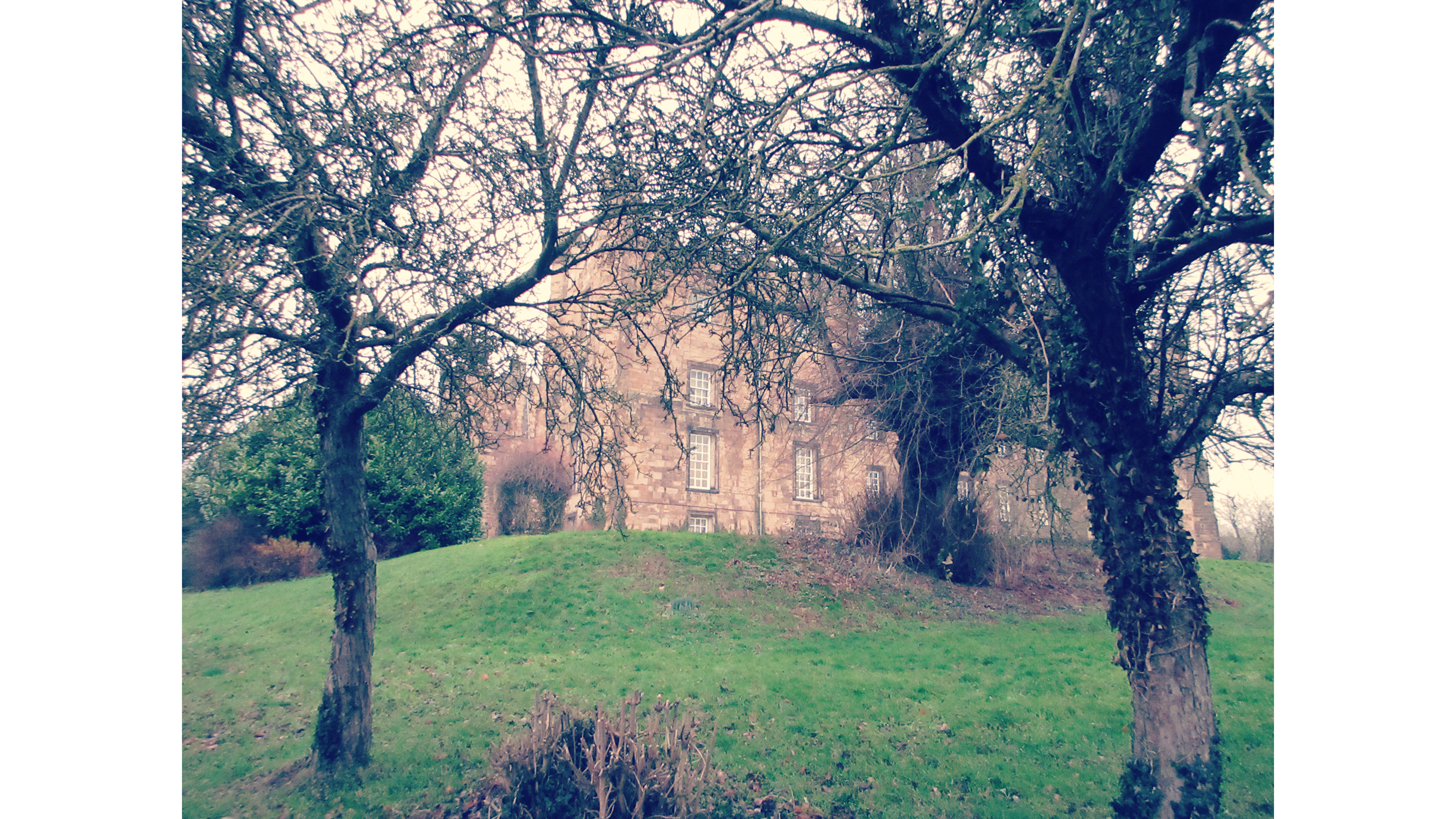
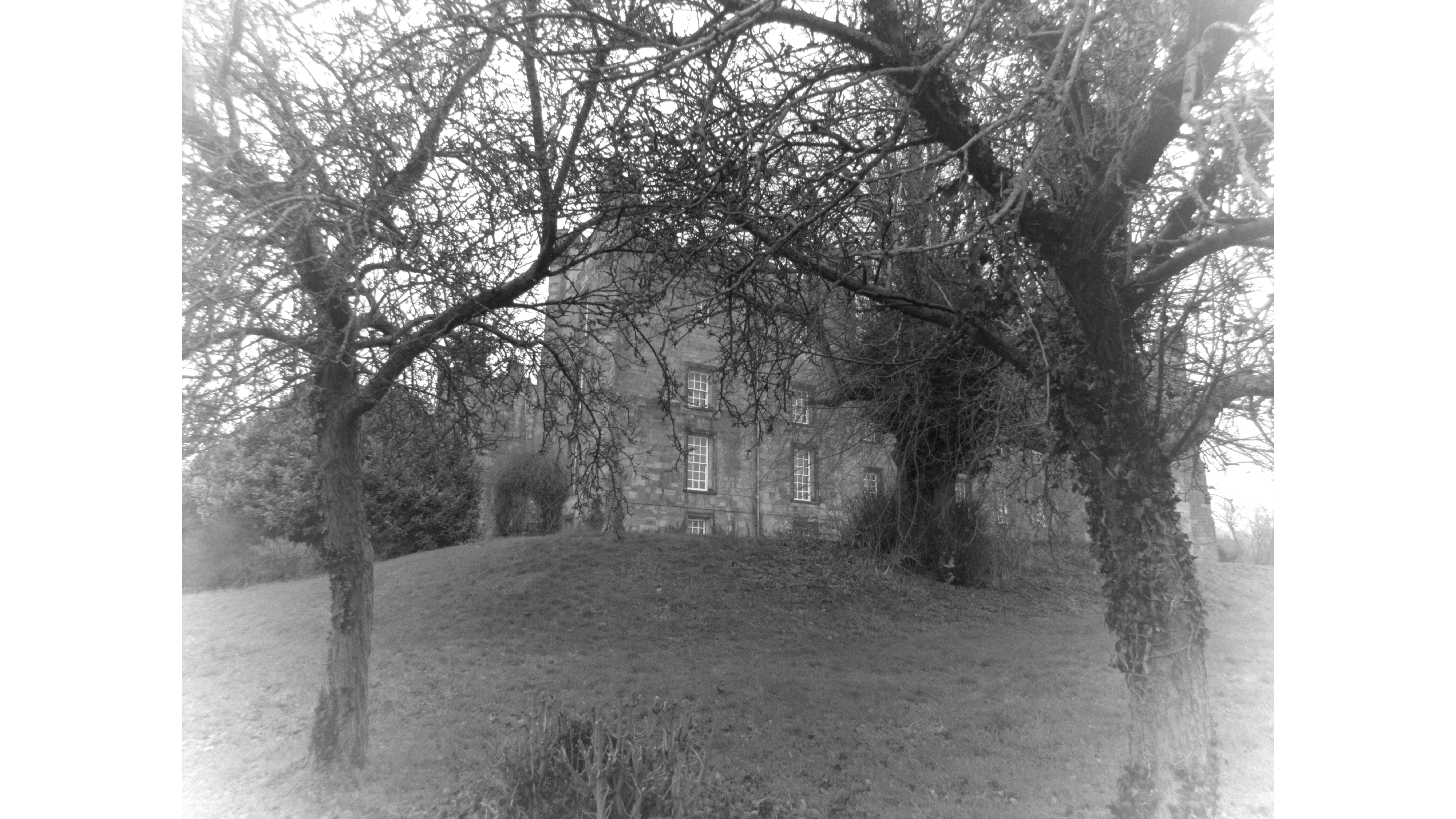

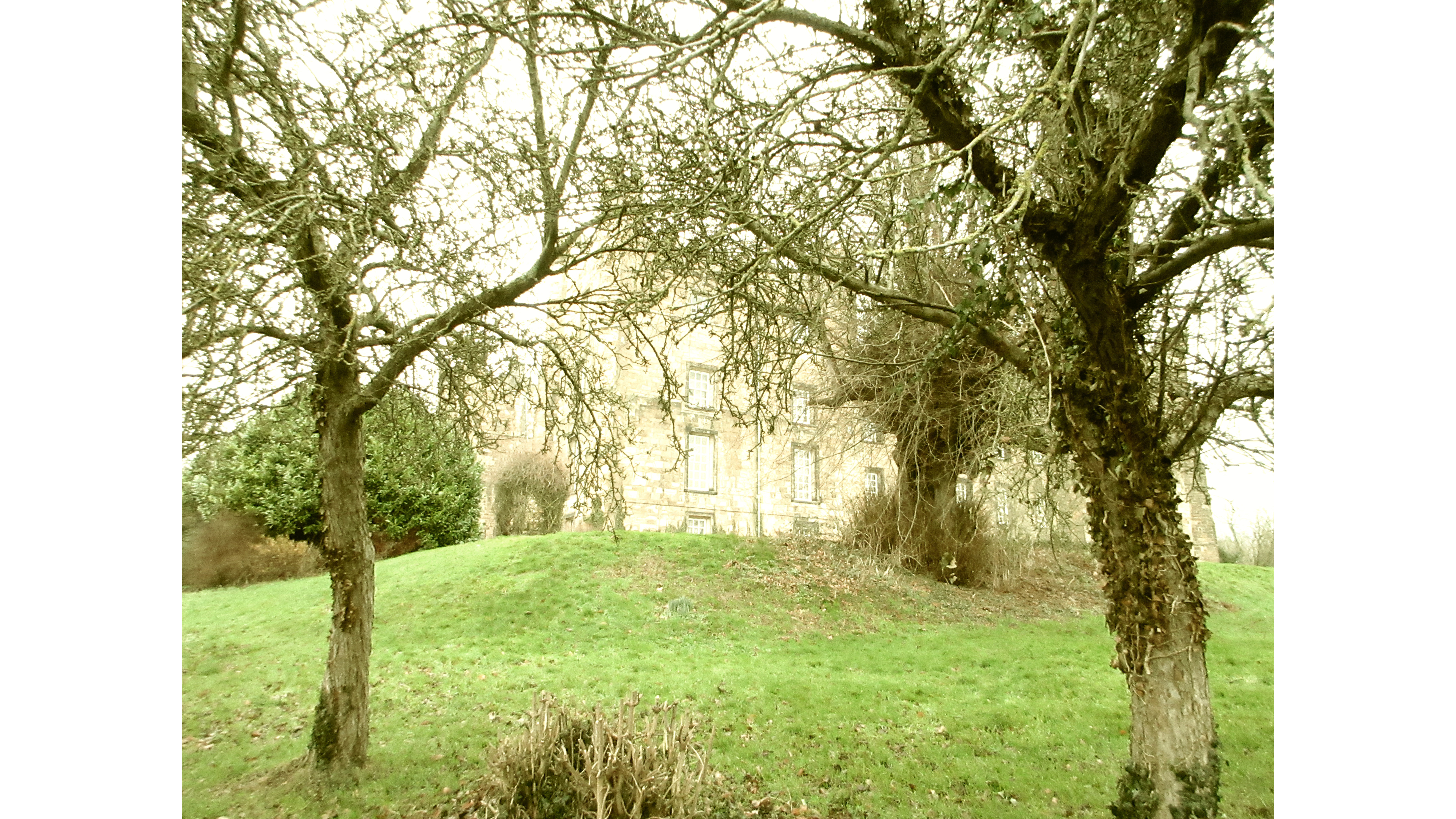
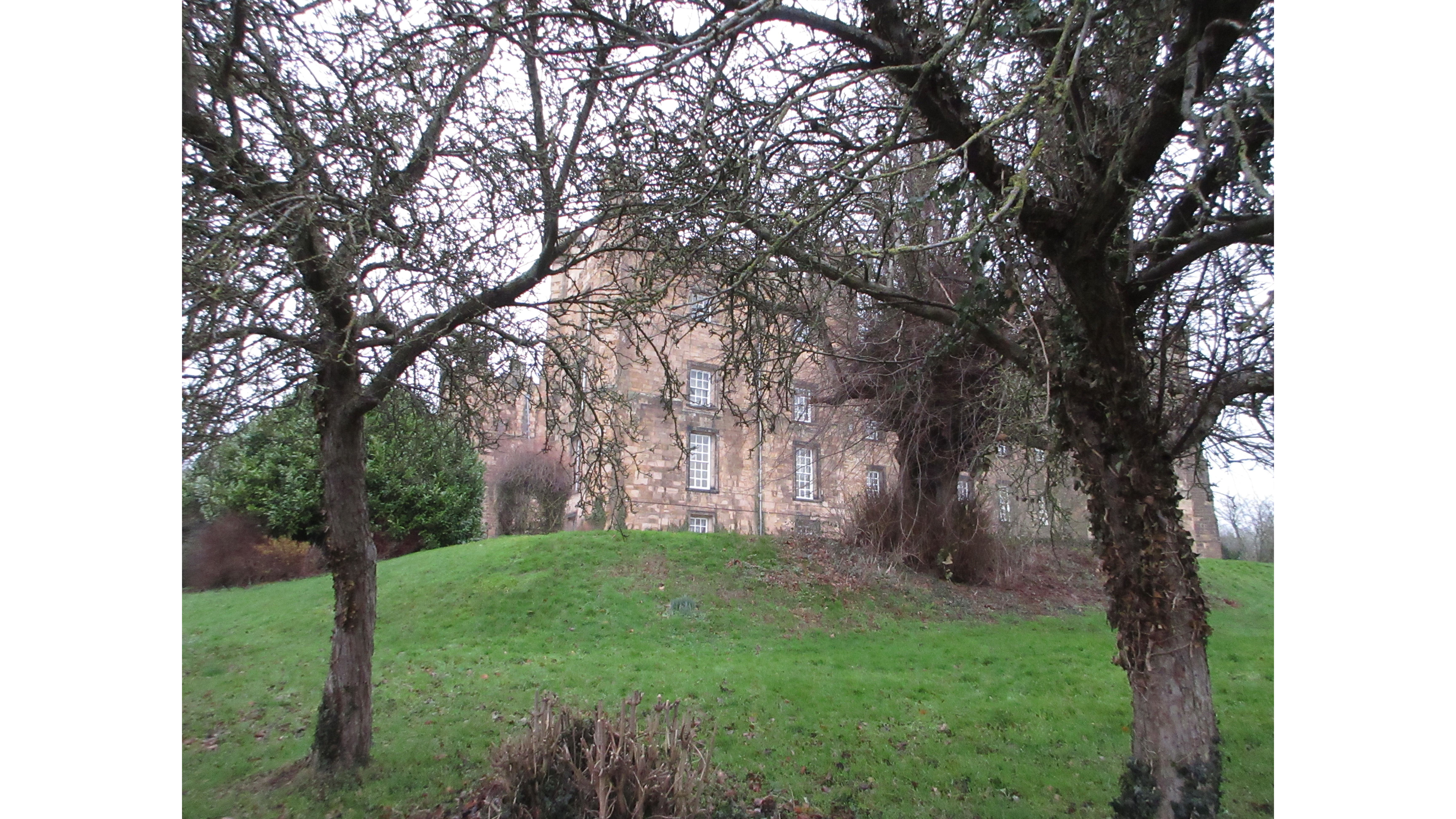
The zoom range is a reason alone to buy the camera over using a phone. It offers a full-frame equivalent of a 25-300mm lens – a 12x optical zoom. This covers both standard-wide and telephoto lengths. The zoom travel is rapid and smooth, making in-clip zooming possible during video shooting, although the internal mic does pick up the noise of moving components. Within about five seconds from hitting the power button, I was racked out at the longest focal length and focused on my subject.
AF tracking isn’t the camera’s strong point, especially at these telephoto settings. But once again, it’s good enough for the types of scenarios you’d be using such a camera. The AF points aren’t as thoughtfully spaced and positioned as on an enthusiast-level camera, and they rely on a contrast detection-based system, which is always going to be slower and more prone to hunting. This is particularly noticeable in low light, and on a couple of occasions the camera failed to focus entirely.
Canon PowerShot Elph 360 HS A: image quality
- The sensor is smaller than on smartphones such as the iPhone 17 Pro
- Low-light images feature quite heavy detail loss through noise reduction
- The lens is sharp and can reveal good detail at lower ISO settings
That 1/2.3-inch sensor is significantly smaller than the unit found on the latest iPhone, which is of the 1/1.28-inch format. It’s hard to imagine that phones have overtaken compact cameras in this way, but it’s also important to remember that the iPhone starts at around $1,100 while the Canon PowerShot Elph 360 HS A retails for about $379. That’s a pretty big price gap. Yes, the iPhone isn’t a dedicated photographic tool, but it’s a technology powerhouse and one of Apple’s flagship products. The PowerShot is a proverbial drop in the ocean in the percentage it contributes to Canon’s yearly turnover.
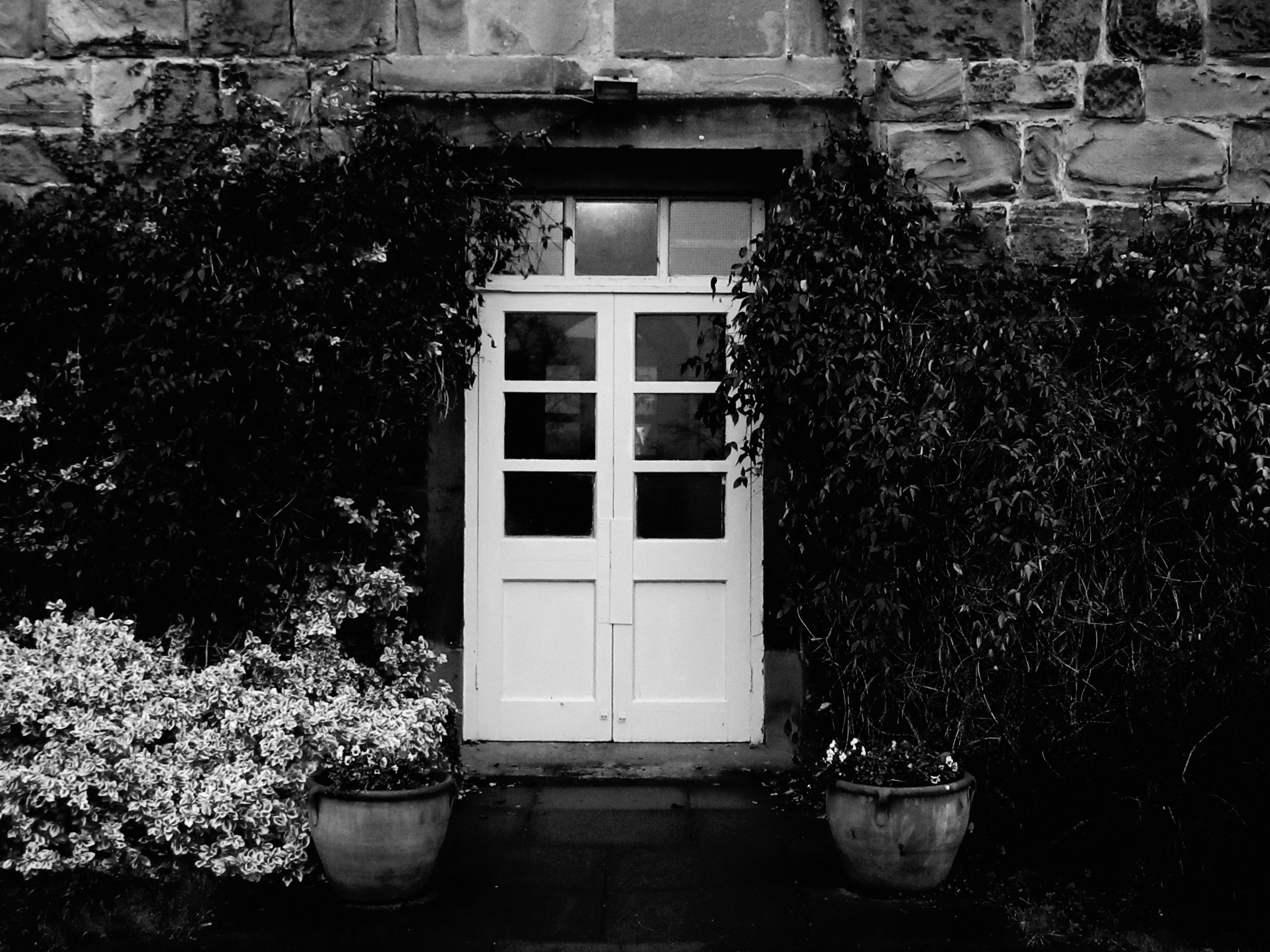
Even with a 20-megapixel resolution, the pixels are fairly small, with an approximate pixel pitch of 1.19 micrometers. This limits their light-gathering capacity, which you can see in the signal-noise ratio from ISO400 and above. At the lowest sensitivities the situation is much better, and outdoors the resolution is rather good. It’s under these conditions that you get to see what the lens is capable of, and it impresses in its sharpness. I was especially enamored by its micro contrast, which lends a great deal of texture to stone walls, tree bark and other granular materials.
In flatter tones like the sky, or smooth areas of berries and other glossy surfaces like car paintwork, noise is far more noticeable – it isn’t as effectively hidden amongst subject texture. By ISO800 the mushiness starts being hard to ignore, and at around ISO1600 colors take on a washed-out, insipid character.
Image 1 of 6
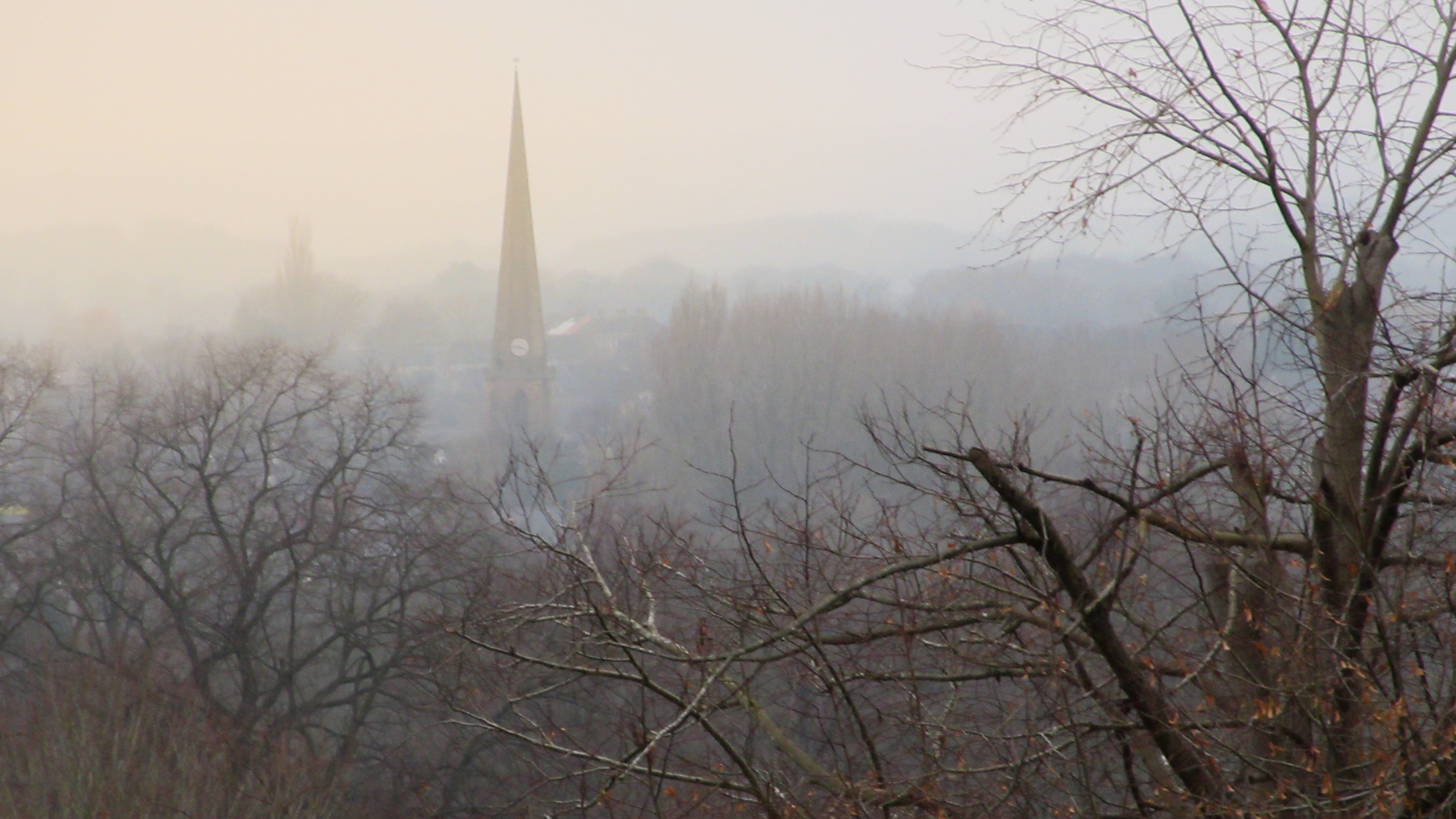
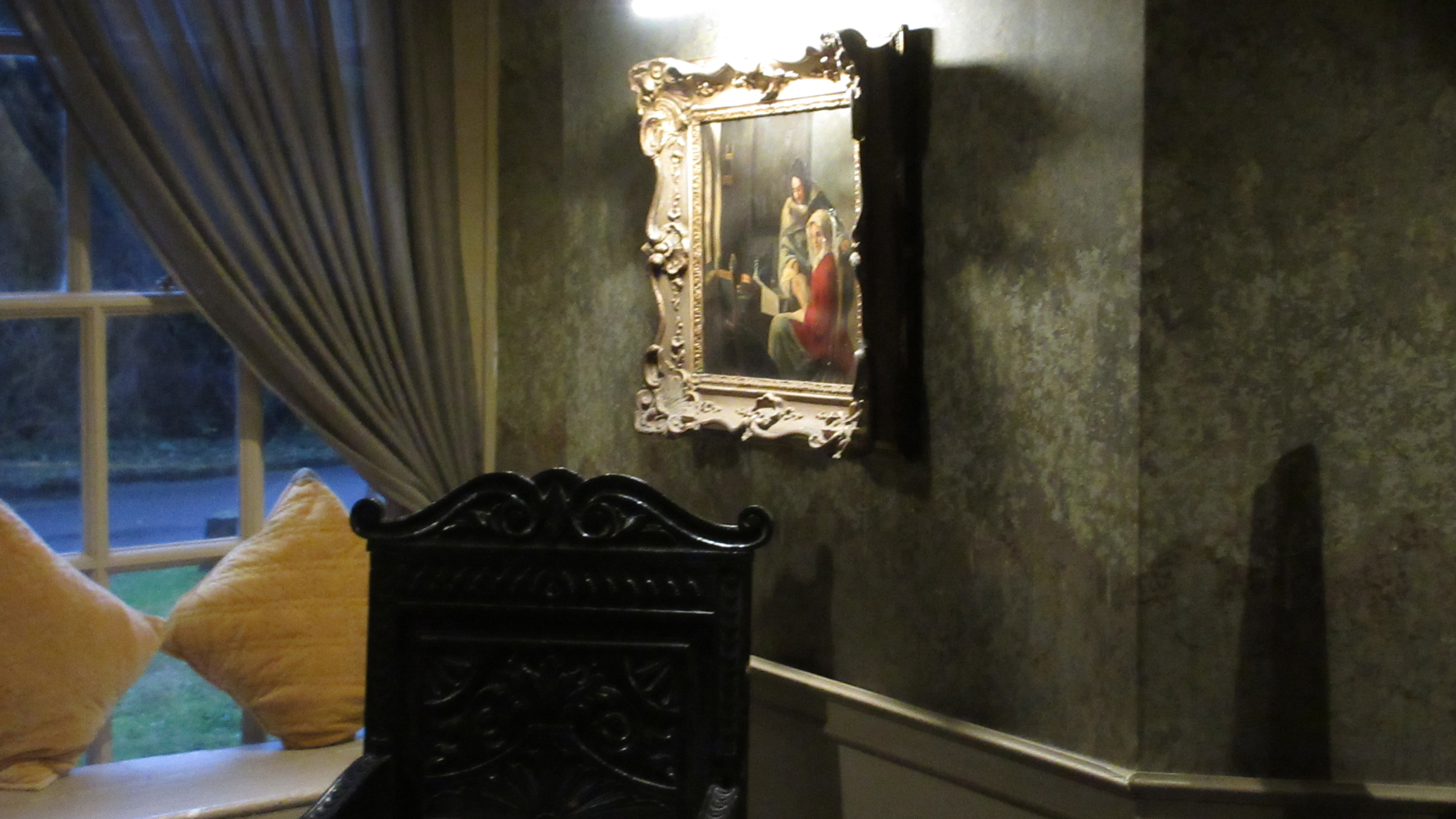
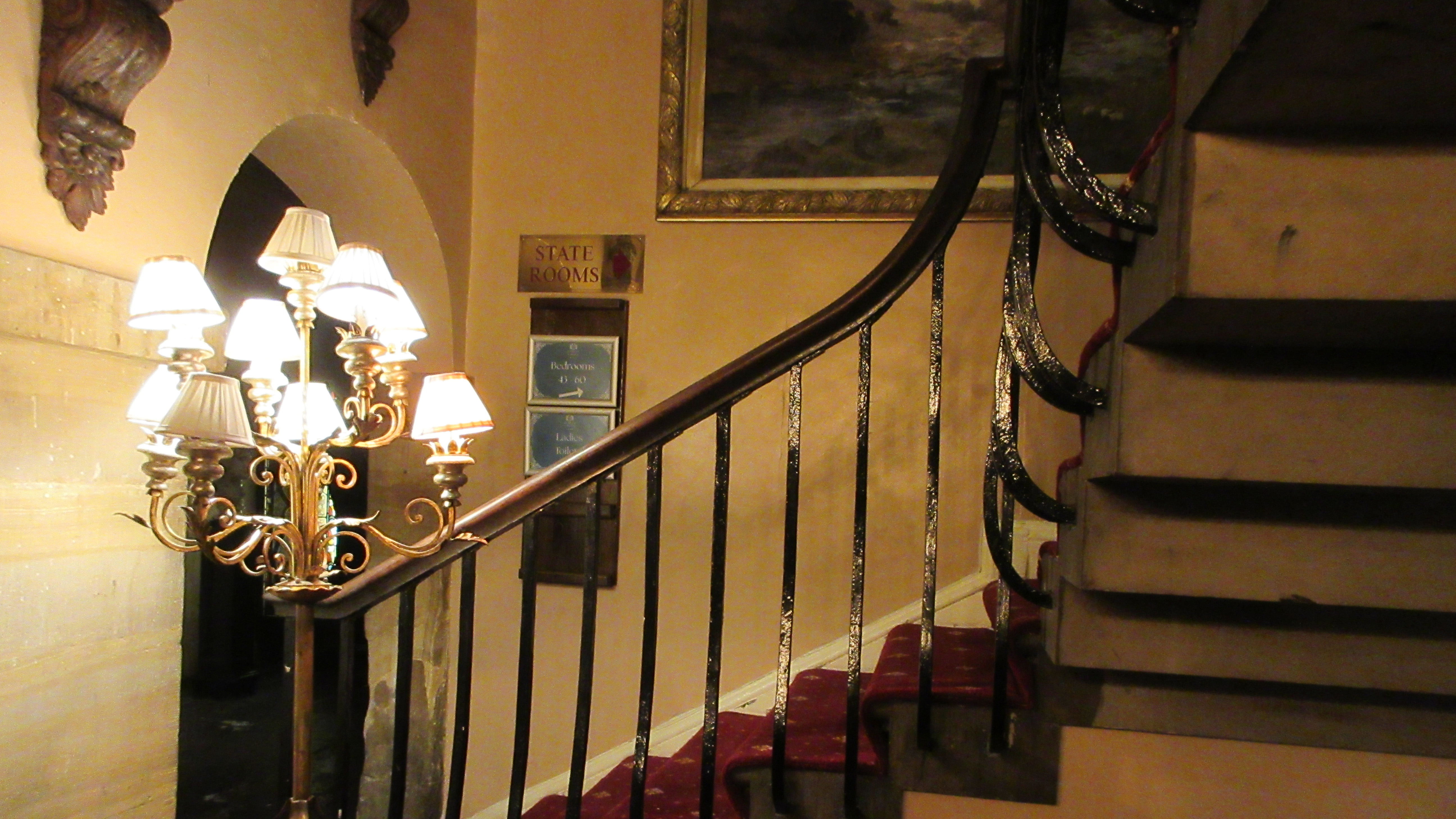
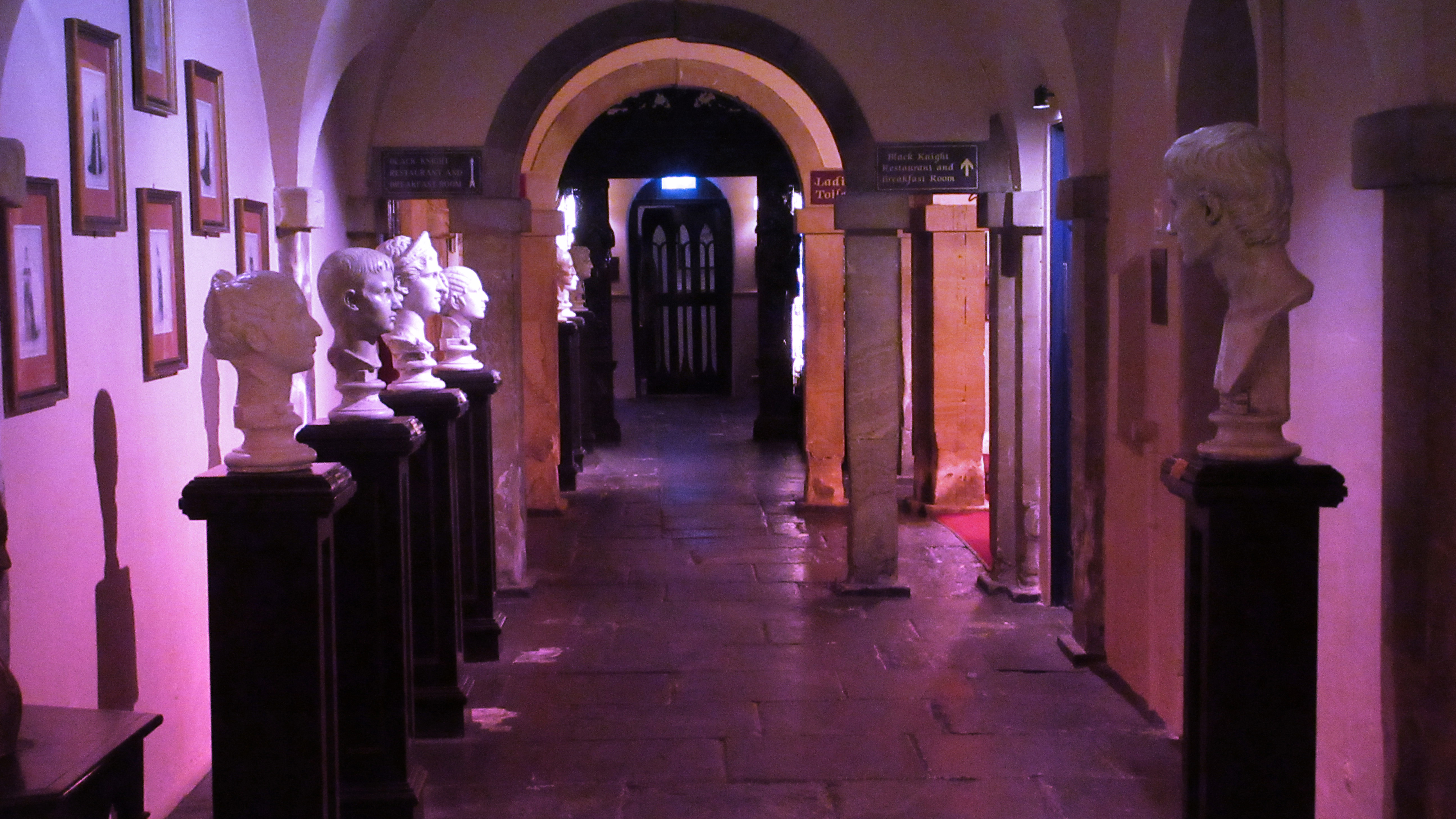

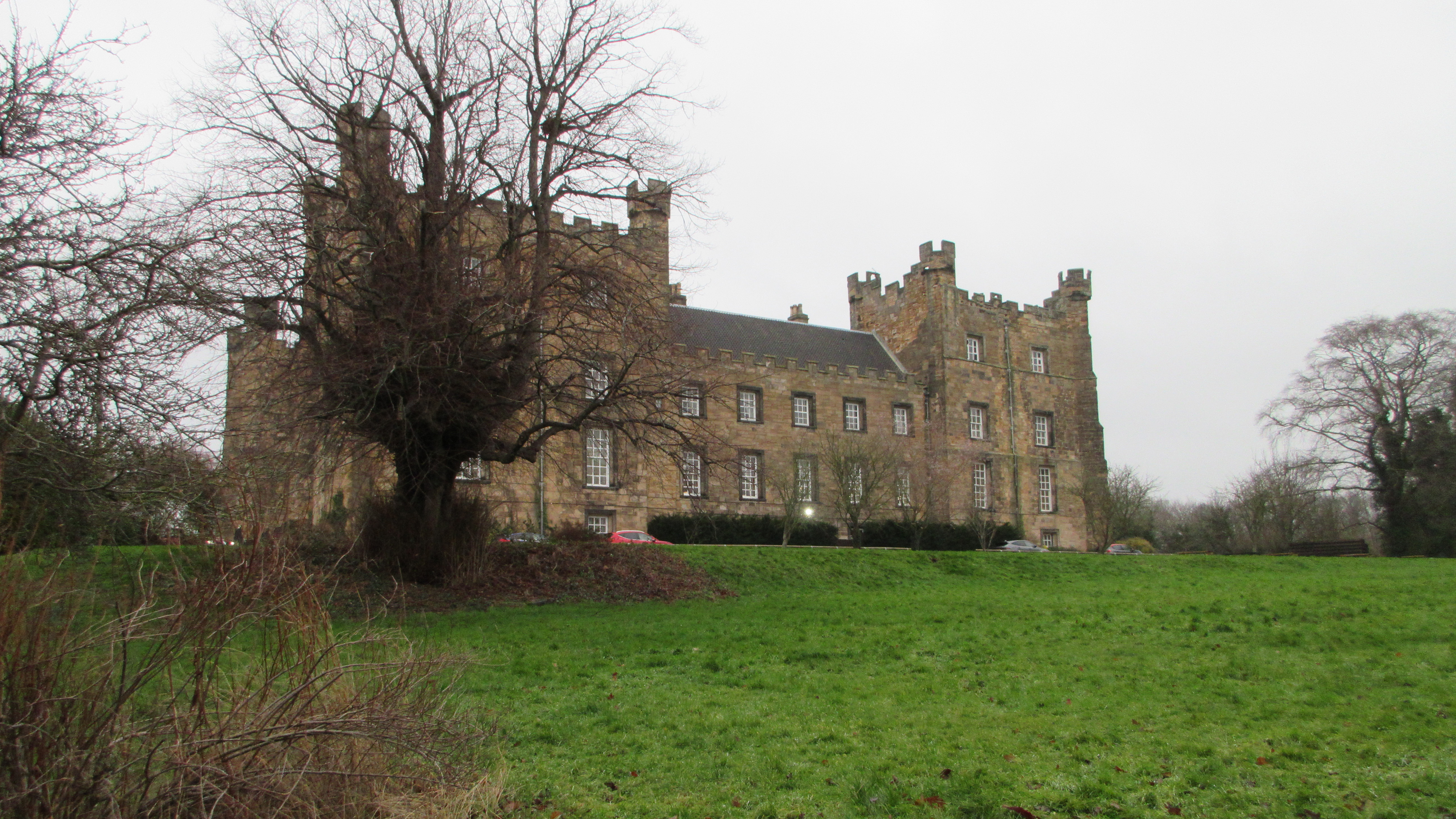
Auto White Balance is fairly accurate, although it is readily confused by saturated color in the frame. Under mixed lighting it will tend to favor one end of the kelvin scale or the other. However, it will then cope unexpectedly well under interior lighting. Exploring the corridors of a 14th-Century castle-turned-hotel, there wasn’t a lot of external light penetrating the small windows in the three foot thick stone walls, so the low illumination and warm artificial light posed a great challenge – true for any camera.
The PowerShot Elph 360 HS A managed to figure out the fluorescent lamps and warm-toned walls, preventing over saturation without unpleasantly neutralizing everything by adding too much blue. A fantastic result for a point-and-shoot camera with limited color control.
Dynamic range, meanwhile, suffers quite a lot from the pixel size, and it doesn’t take much before the photosites are saturated and clipping of the highlights starts to occur. This is even more of a problem in the absence of RAW capture although, while you can actually retrieve a decent amount of shadow detail, once the highlights are blown there’s nothing to bring back.
Video is limited to FHD, although I was surprised once again by the quality in difficult lighting. Grain is definitely visible, but footage can look fantastic. For the TikTok generation, whose buying habits are responsible for bringing the camera back in the first place, it could be genuinely useful.
Image 1 of 2
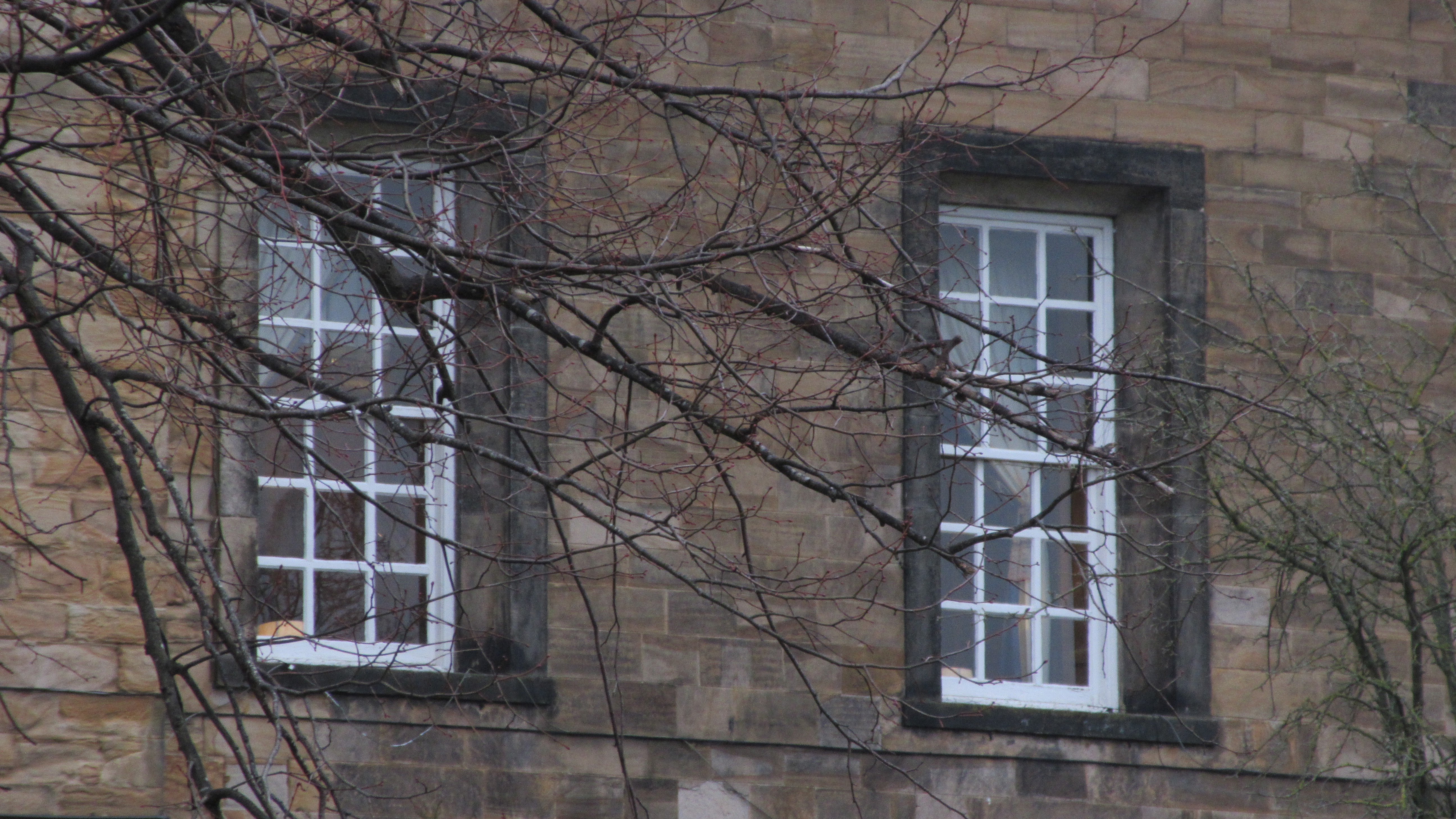
I must also give a special shoutout to the IS system, which demonstrated it could be remarkably effective at reducing camera shake. There were multiple cases where I tapped the shutter release, audibly heard the length of the exposure duration and instinctively went to delete the resulting shot, confident it would be unusably blurry. But to my surprise, there was very little.
In summary, the Canon PowerShot Elph 360 HS A is a fun little camera to use, that keeps the compact camera flame burning. It’s limited in its capabilities, but it does what it is designed to do very well: taking the joy of an ultra-portable camera and de-coupling it from your phone’s myriad other functions.
- Image quality score: 3.5/5
Canon PowerShot Elph 360 HS A: testing scorecard
|
Attributes |
Notes |
Rating |
|---|---|---|
|
Price |
If you want a separate camera that isn’t buried amongst the other features of your phone, getting it for up to $700 less than the latest top-line handsets is good value |
4/5 |
|
Design |
The button layout is logical and makes good use of the body real estate. It’s not that robust, but is fine for everyday usage |
4.5/5 |
|
Performance |
The fast start up and processing times are impressive, while the autofocus puts in a respectable performance for the camera type |
4/5 |
|
Image quality |
It wouldn’t be fair to give the camera top marks for image quality. It struggles in all but the best light. However, auto WB is great and the sensor turn in images with a nostalgic feel |
3.5/5 |
Should I buy the Canon PowerShot Elph 360 HS A?
Buy it if…
Don’t buy it if…
Also consider

Sony Cyber-shot RX100 VII
It’s a bit long in the tooth in digital terms, plus it is far more expensive, but if you want a camera with professional features that still minimizes size and weight, this is a great choice. The sensor is a little bigger, too, so expect better image quality, while you can also enjoy 4K video recording and a burst rate of 20fps.
Read our in-depth Sony Cyber-shot RX100 VII review

Offering a 30x zoom, this compact is genuinely useful for telephoto imagery, such as wildlife and sports. It certainly makes it a great travel companion. You also benefit from a touchscreen and full PASM modes, accessed from a dial on the top plate. The low light performance isn’t the best, considering the price, but it will be an upgrade from the Canon PowerShot Elph 360 HS A
Read our in-depth Panasonic Lumix TZ99 review
How I tested the Canon PowerShot Elph 360 HS A
- I tested a full production model over the course of a week
- I tried the camera in a range of lighting conditions, including low light
- Images were viewed at 100% on-screen and processing applied to assess detail extraction possibilities.
I ensured the camera was tested in some of the harshest lighting conditions it could be presented with, to see how it coped at the extremes of its design. I took it into the dark interior of a castle, which relied heavily on fluorescent lights, creating pools of contrast. I used the camera at every ISO setting and, although I could not alter the aperture, I used every focus length to test the sharpness continuity.
I shot in Auto Mode, Creative Shot Mode, and Program Mode to explore how these impacted the user experience. I used the Low light Mode and compared the images to those where I had applied more manual control over the exposure settings.
I then processed some sample images to see how much detail could be recovered from the shadows, although the shots that appear here are unedited out-of-camera Jpeg.
- First reviewed January 2026